Waldstück mit Klavier
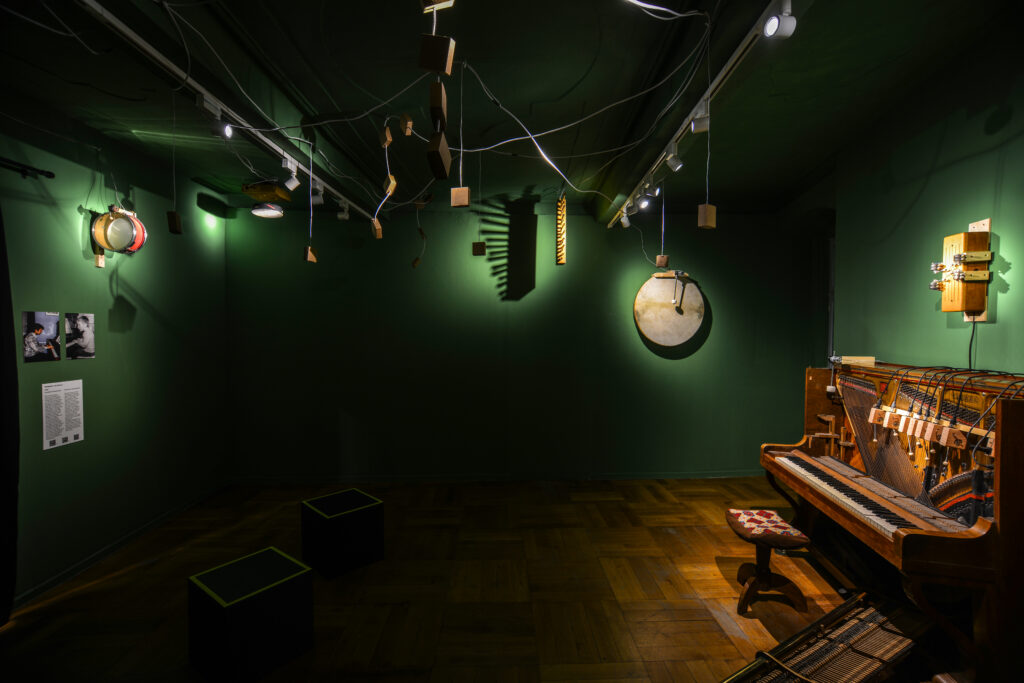
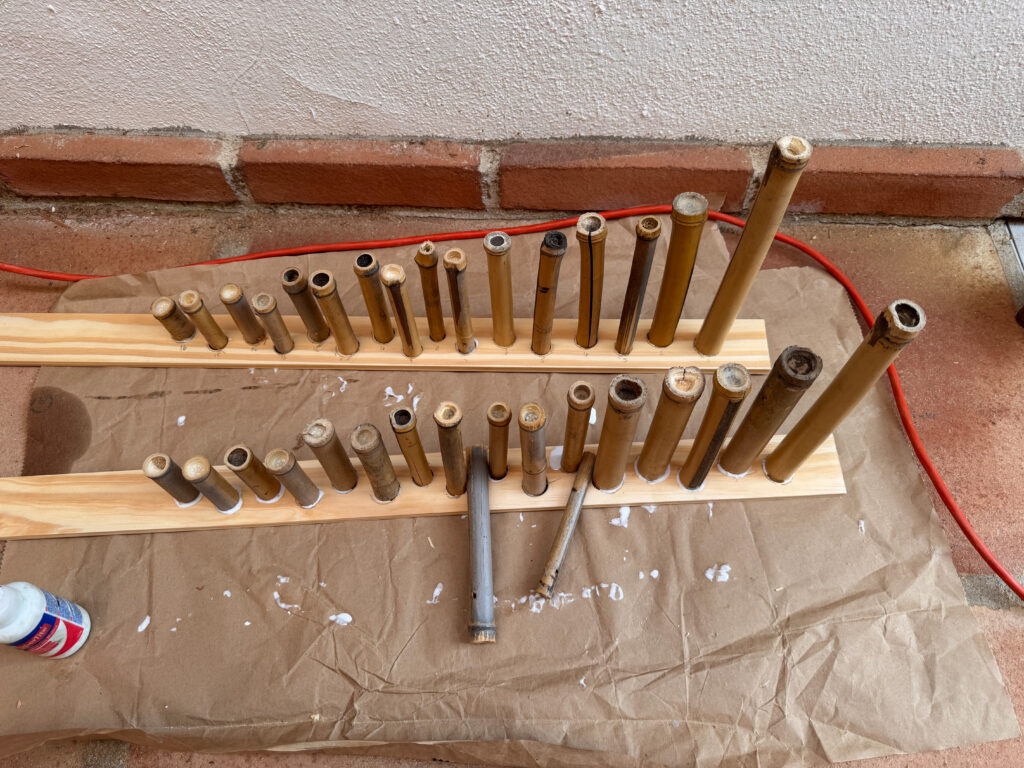
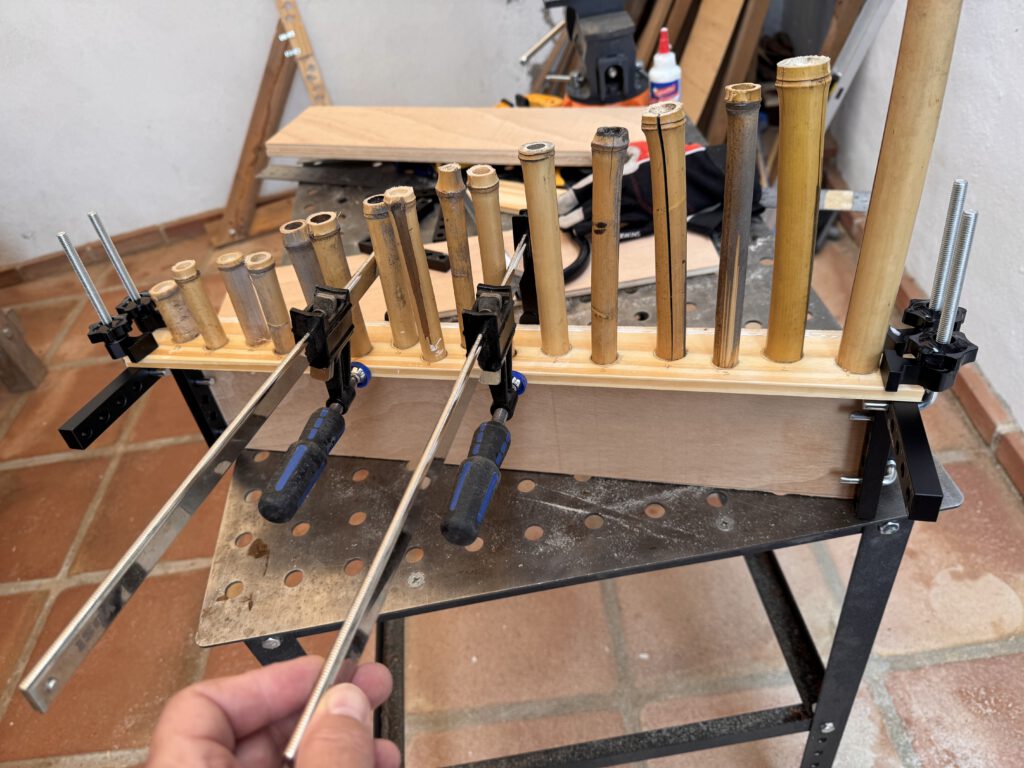
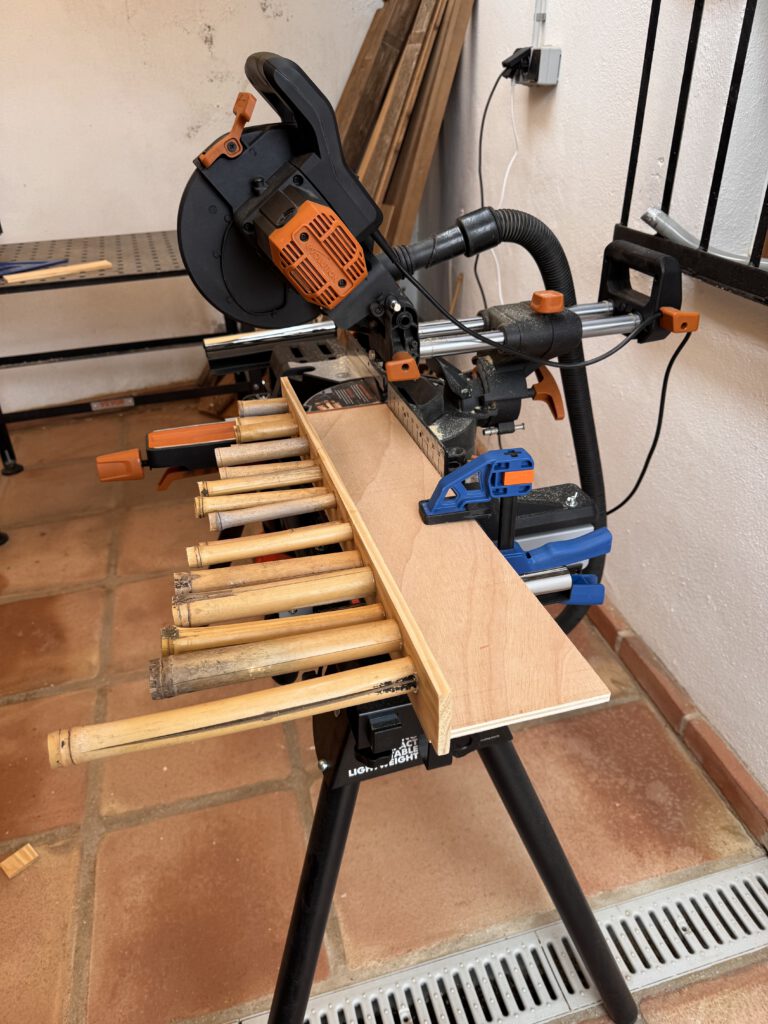
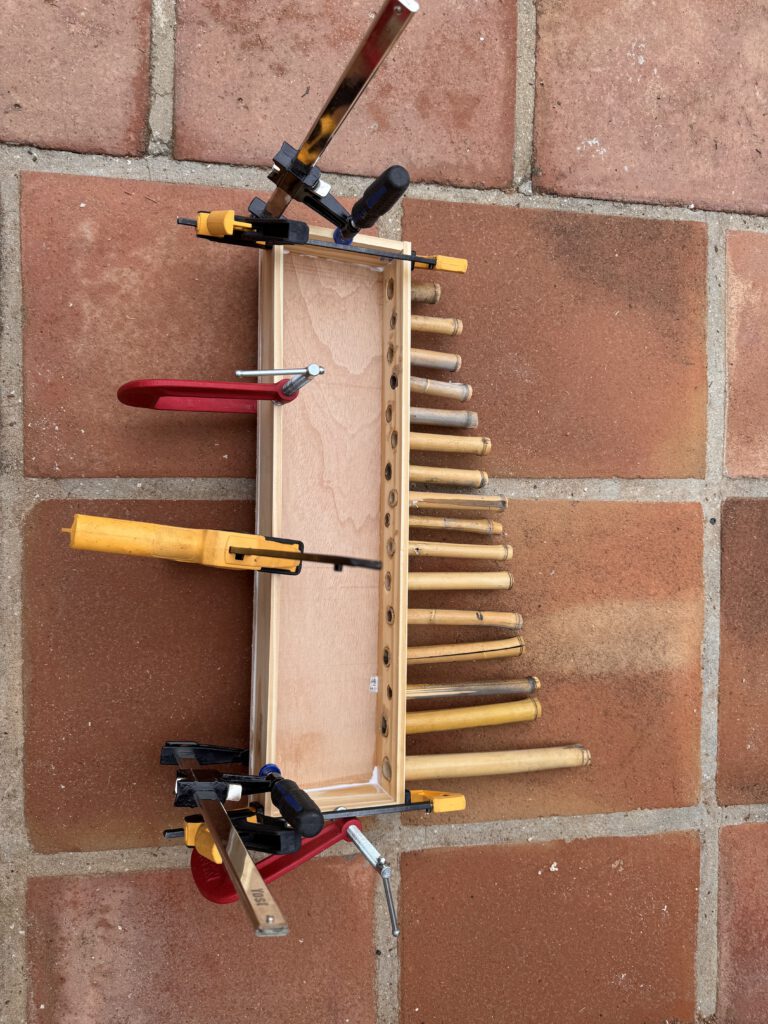
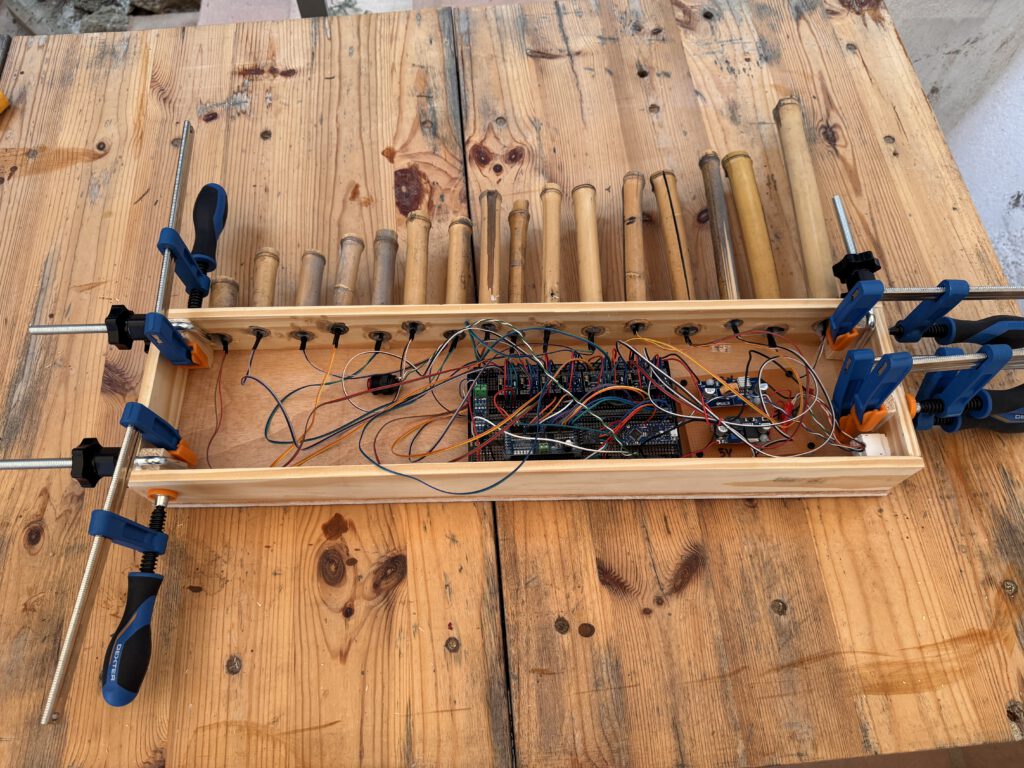
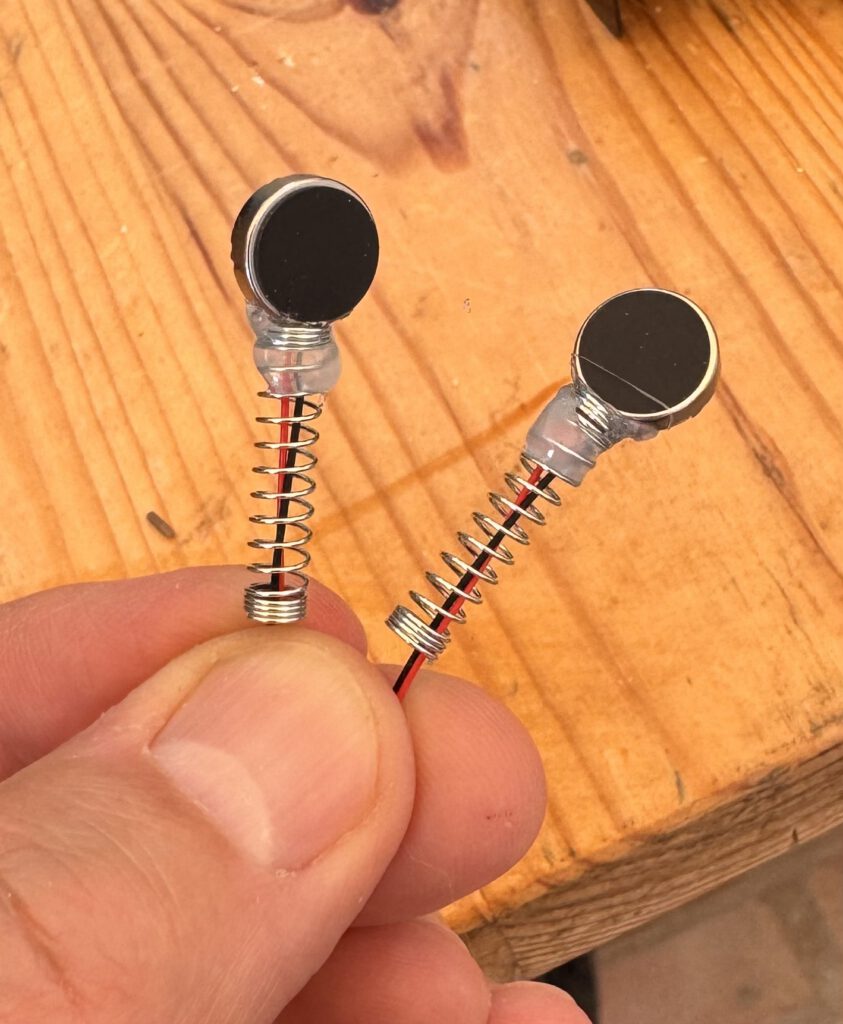
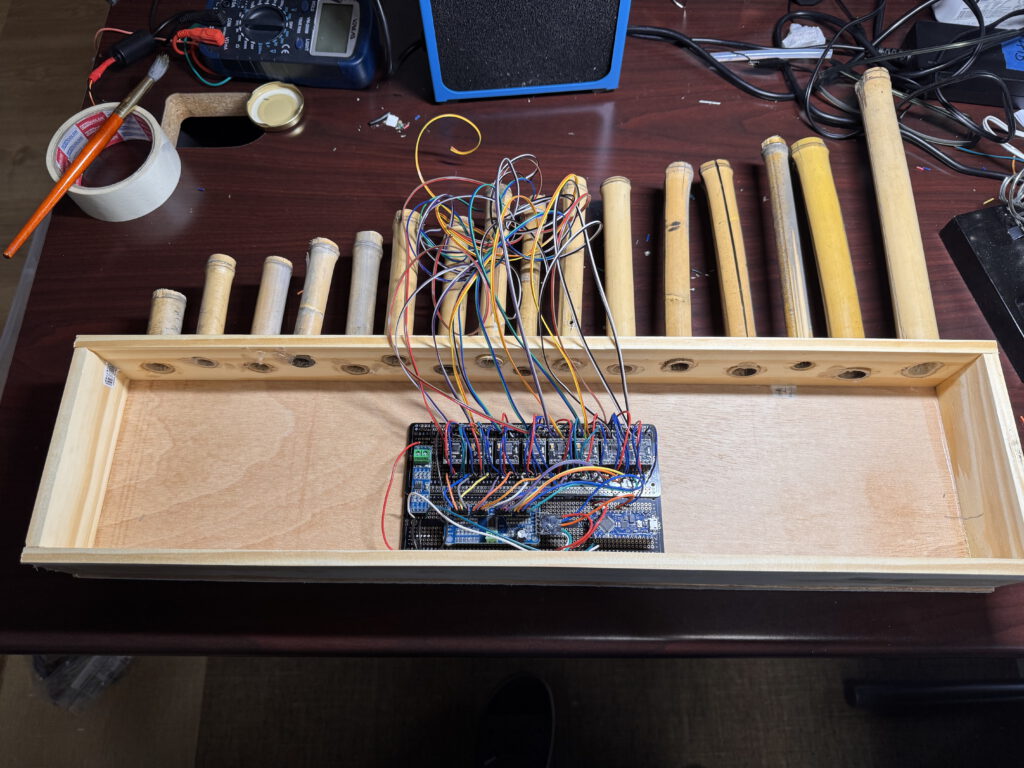
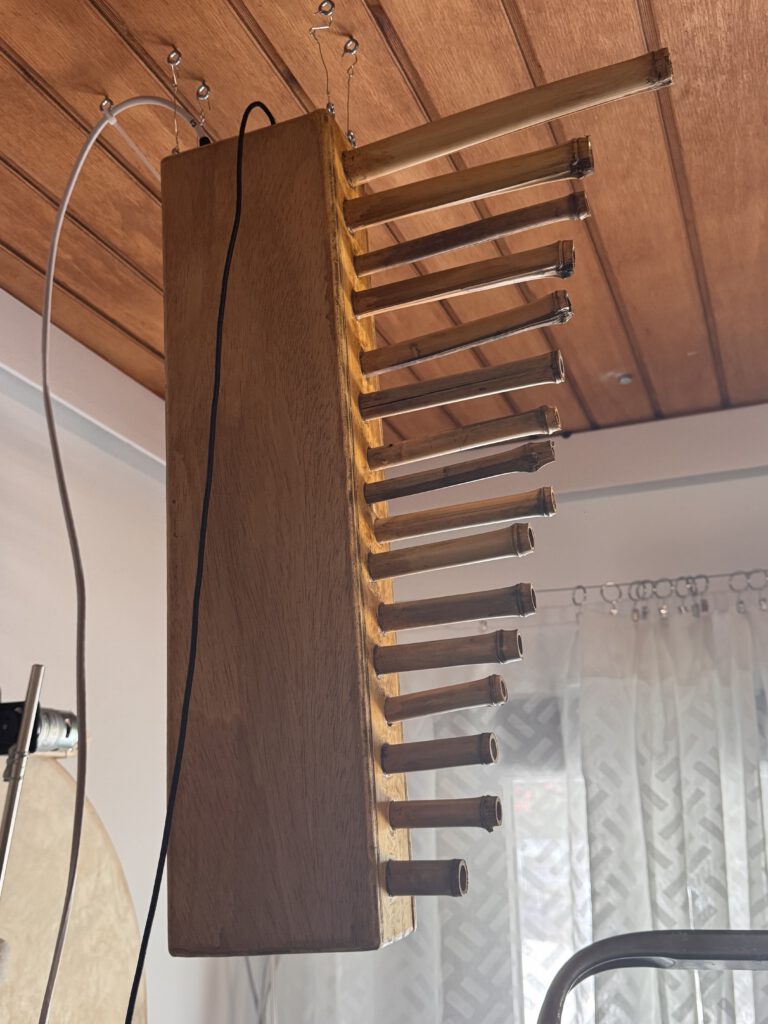
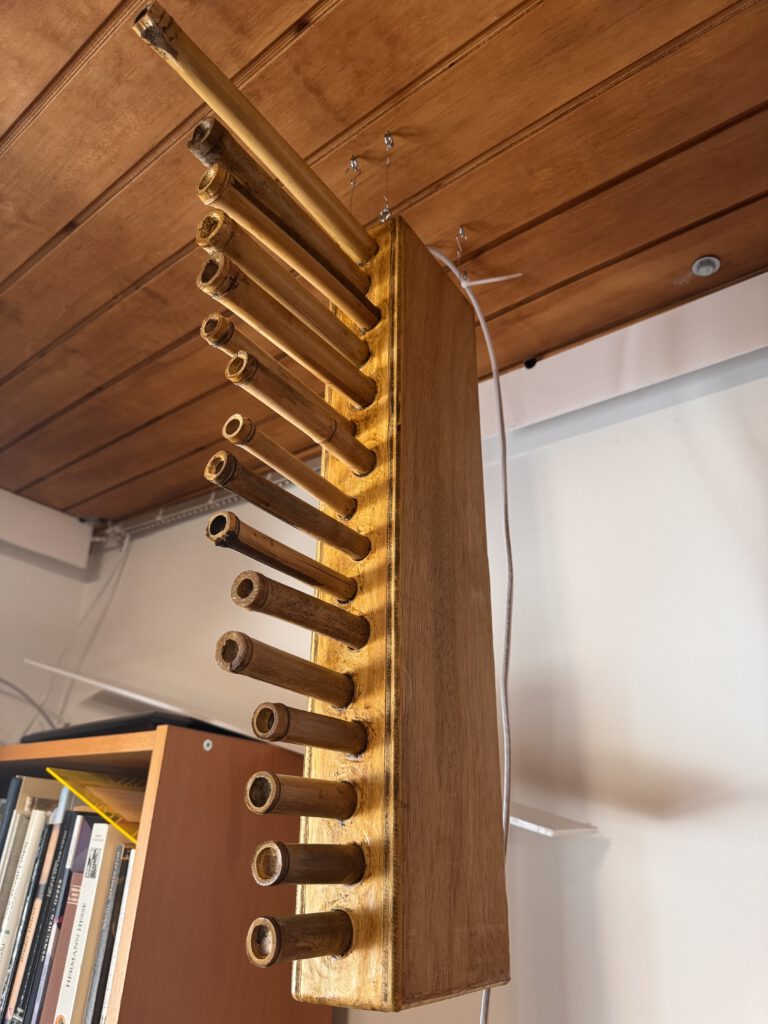
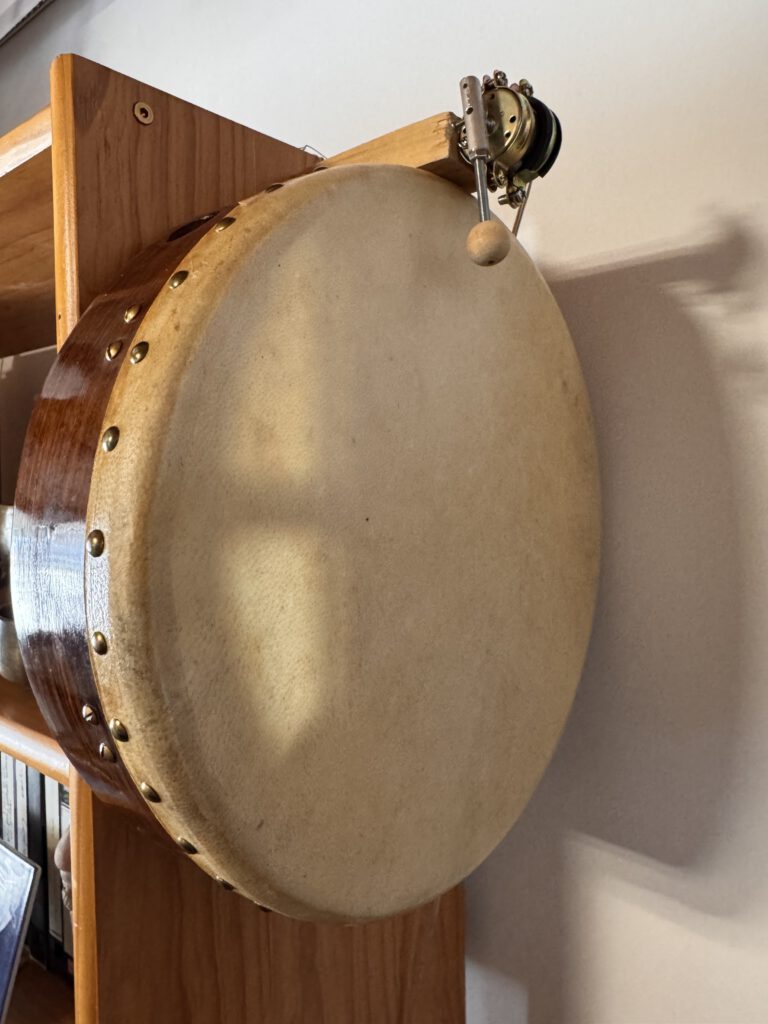
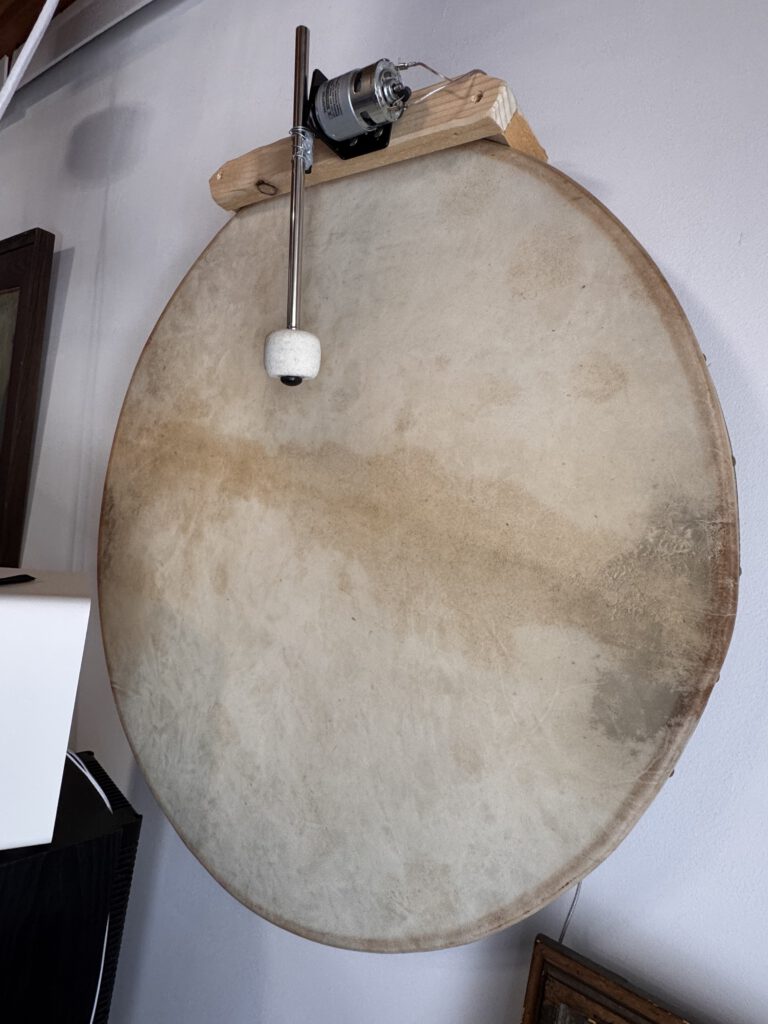
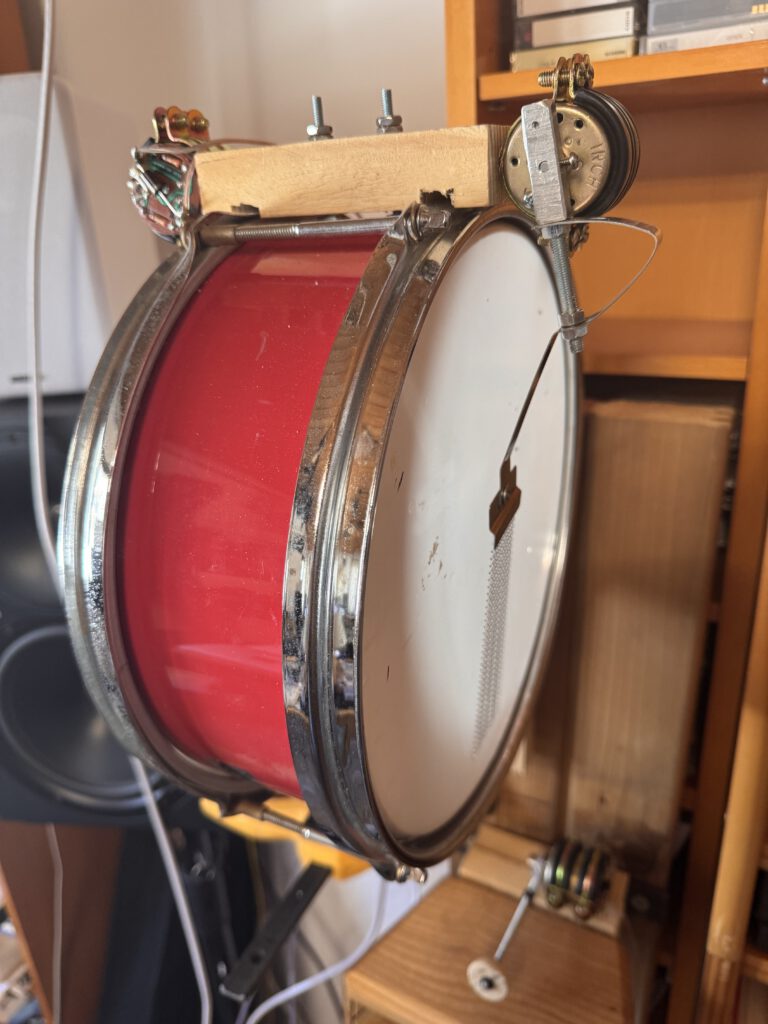
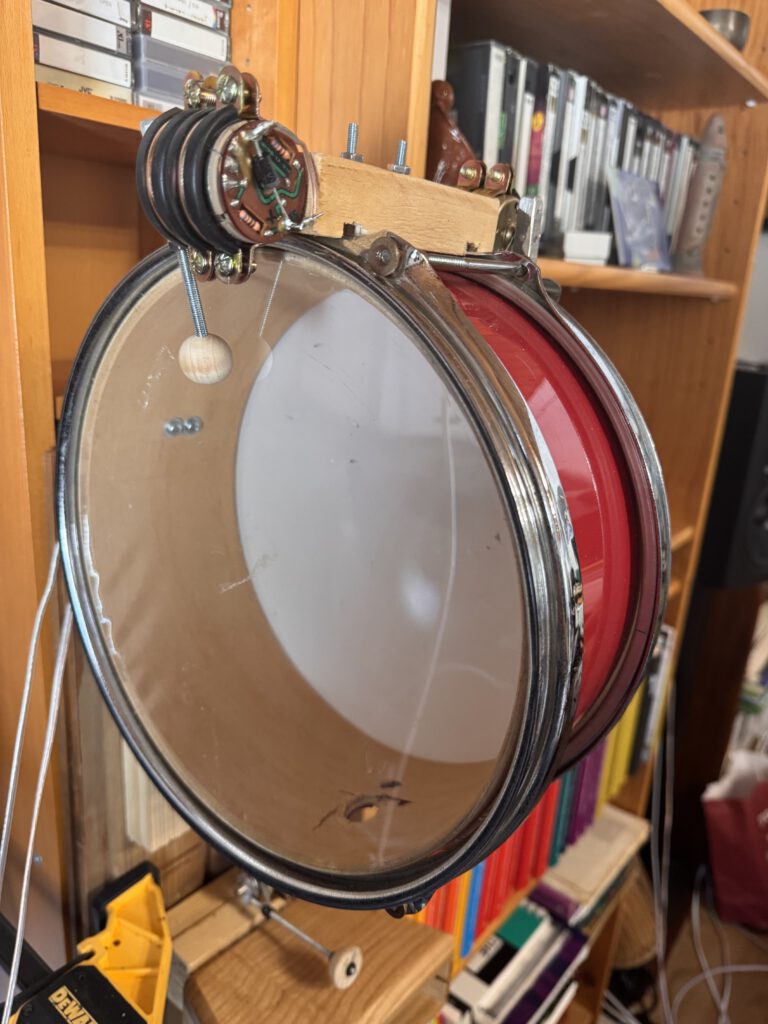
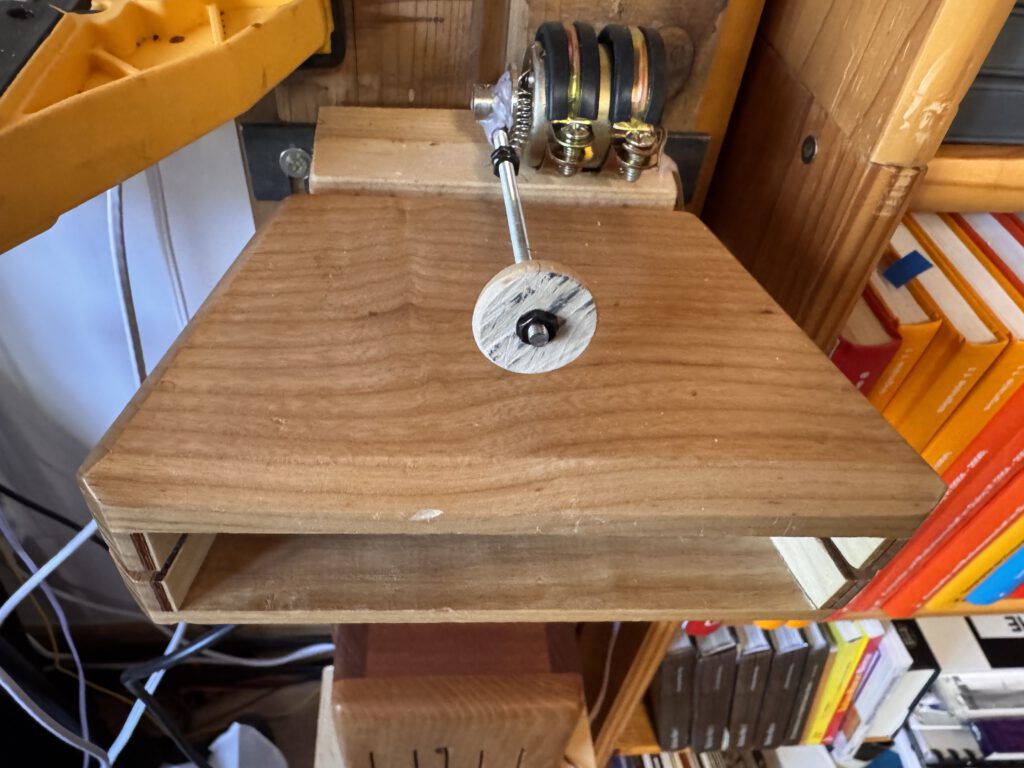
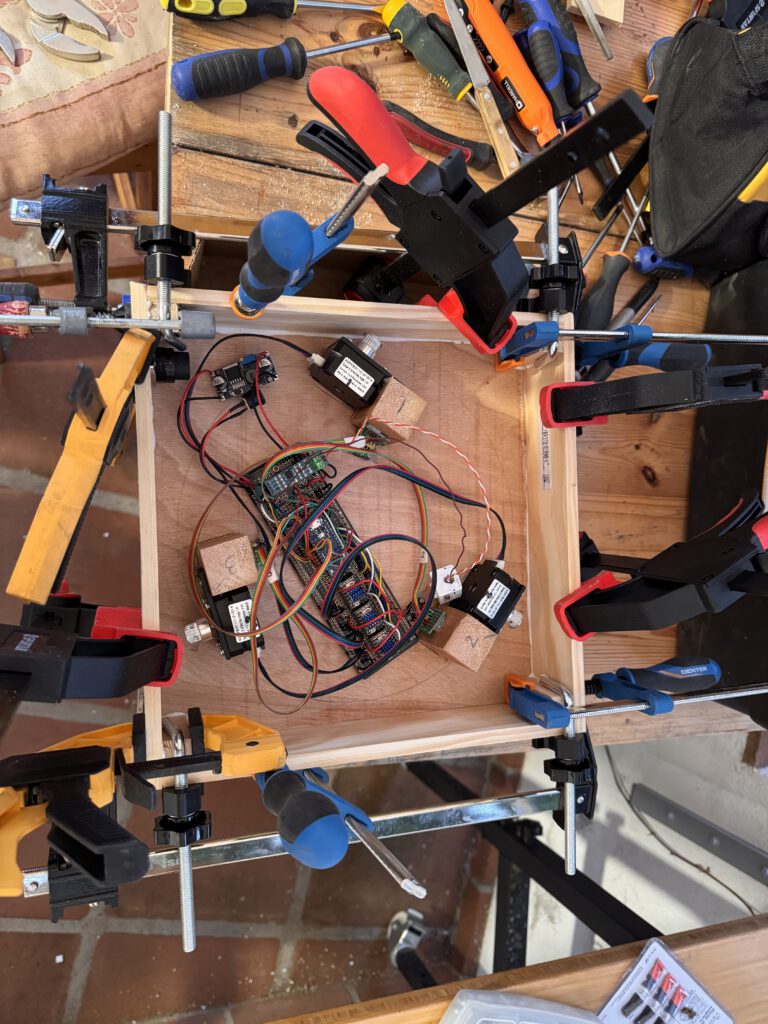
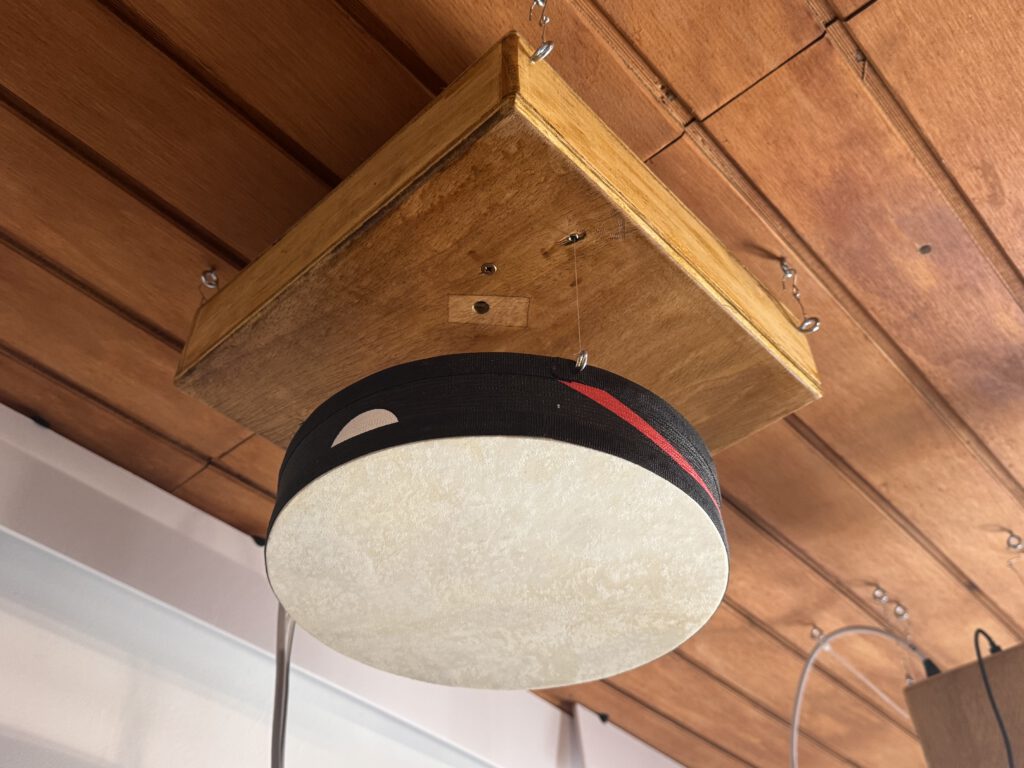
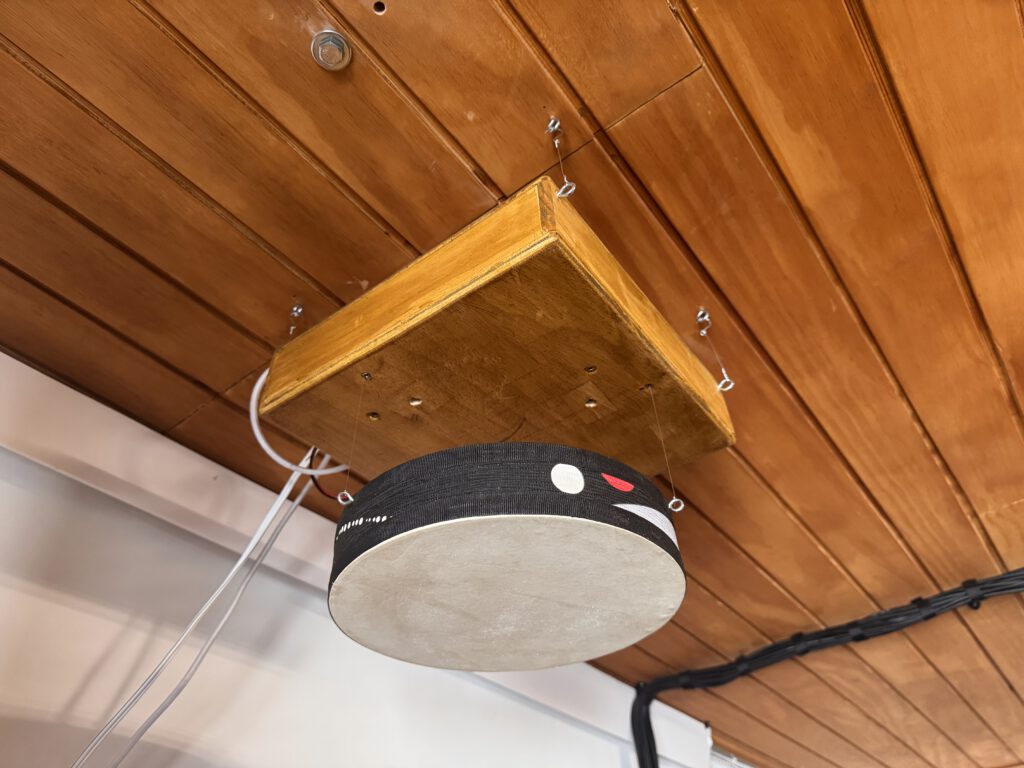
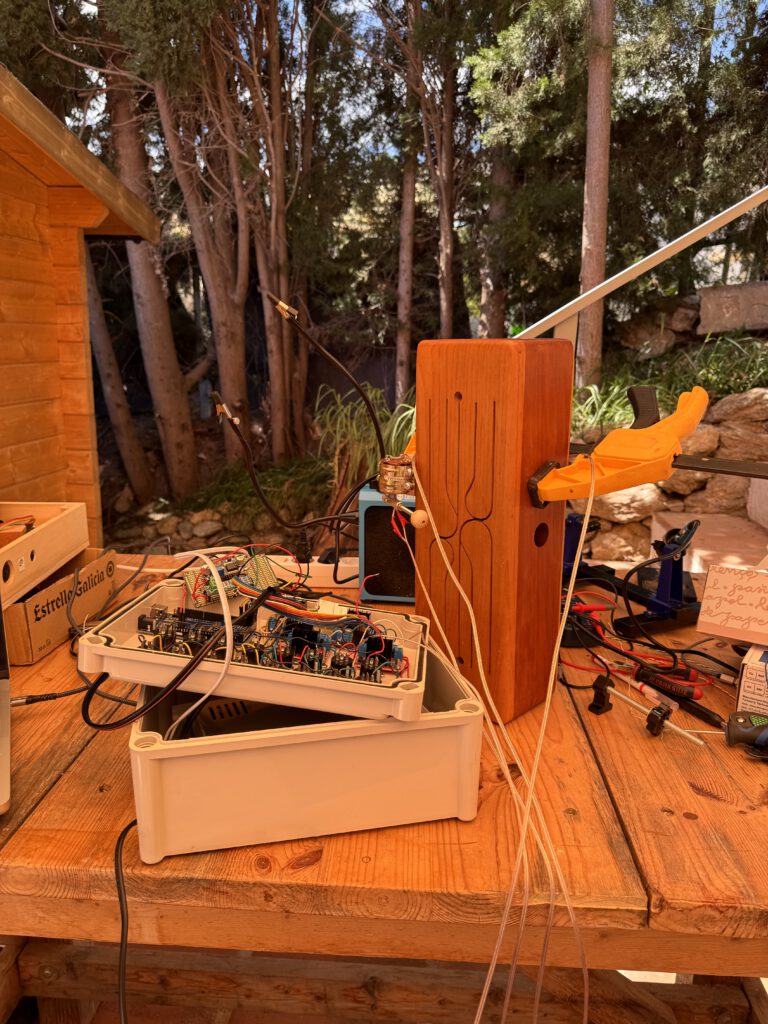
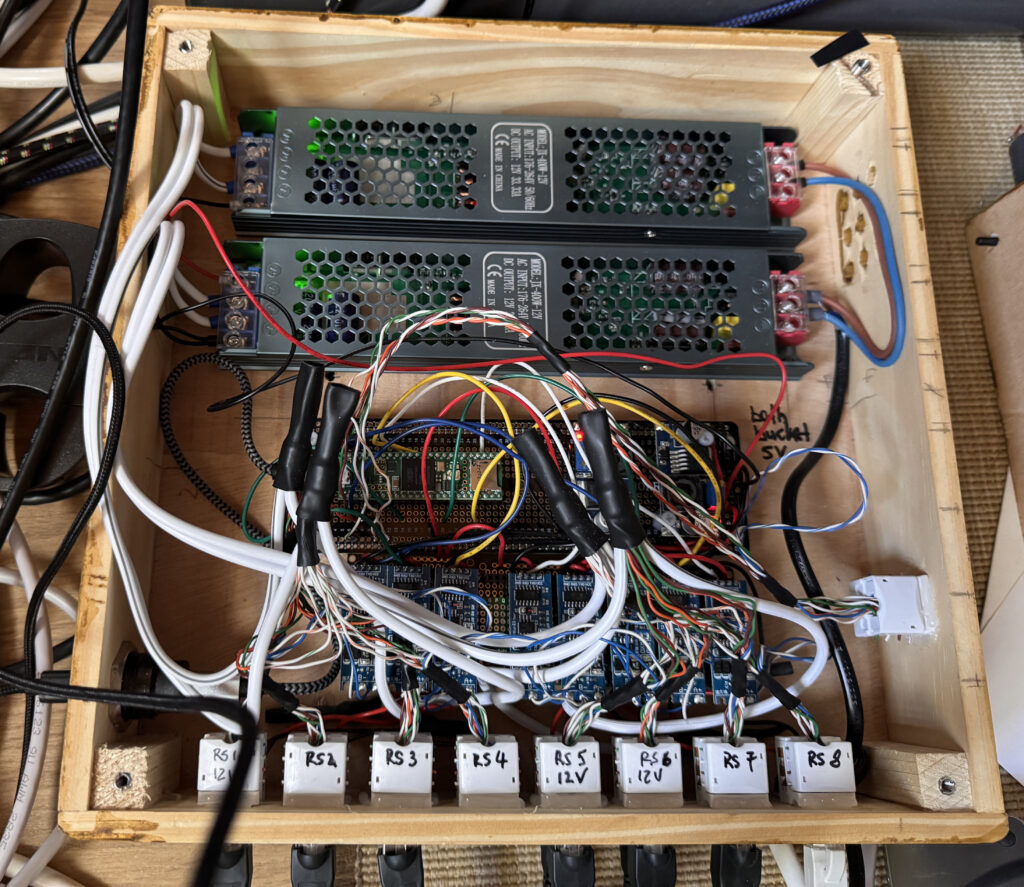
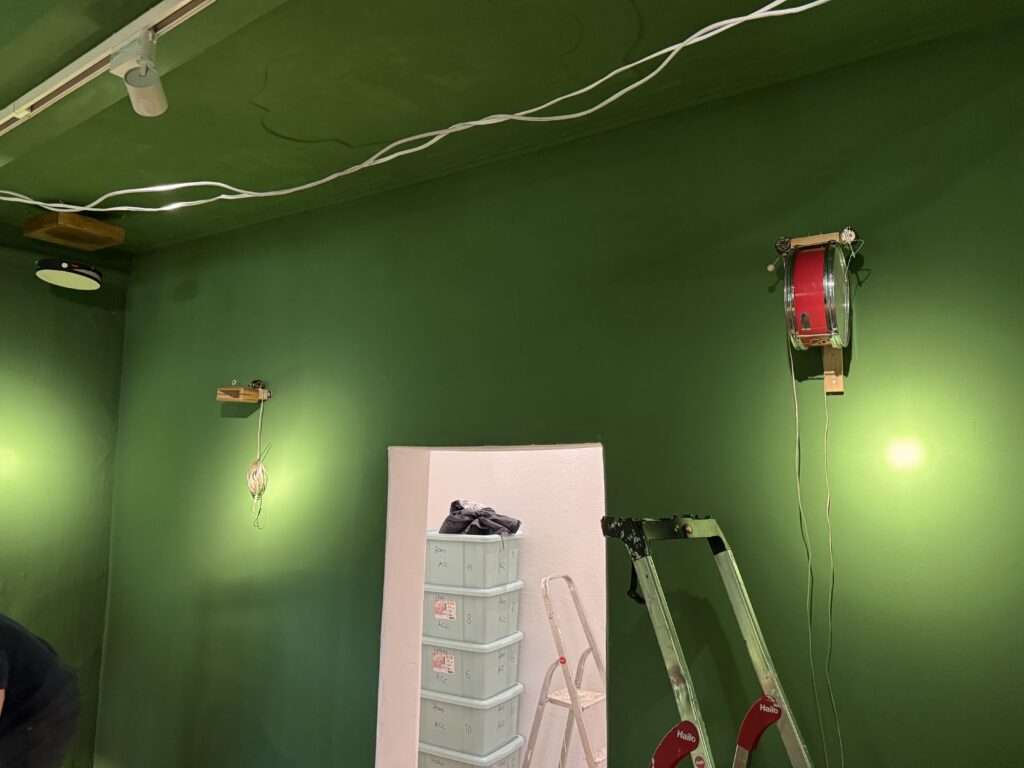
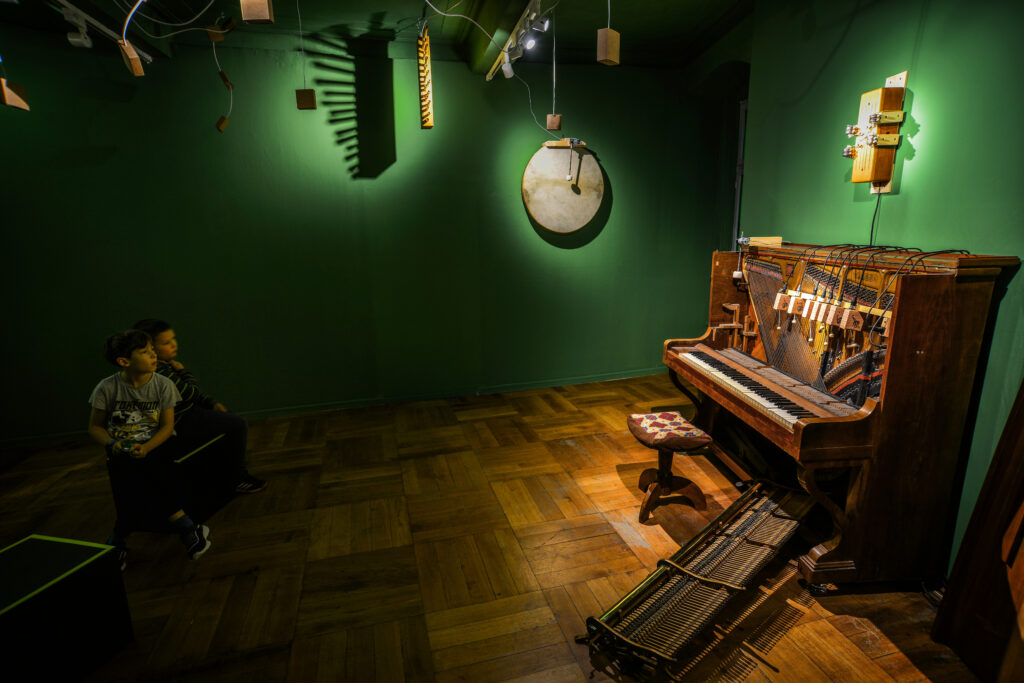
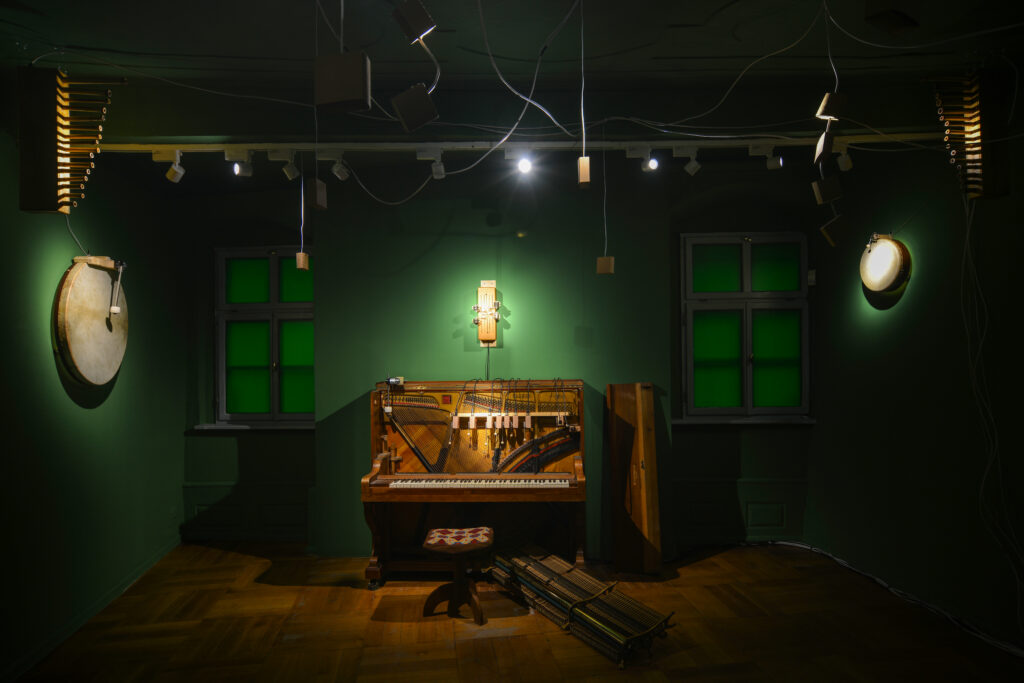
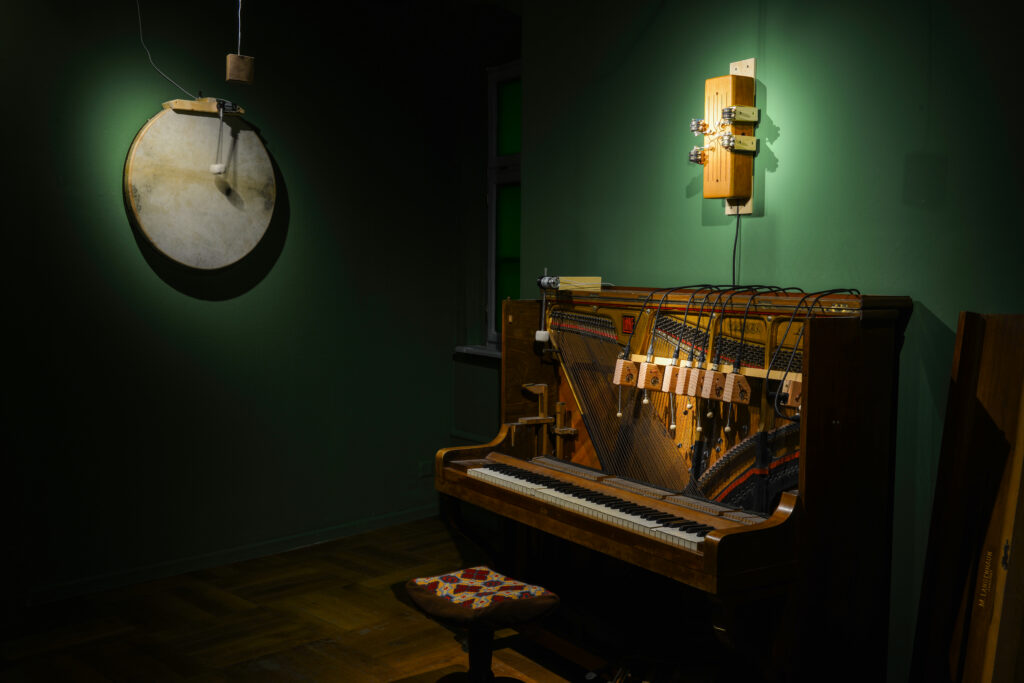
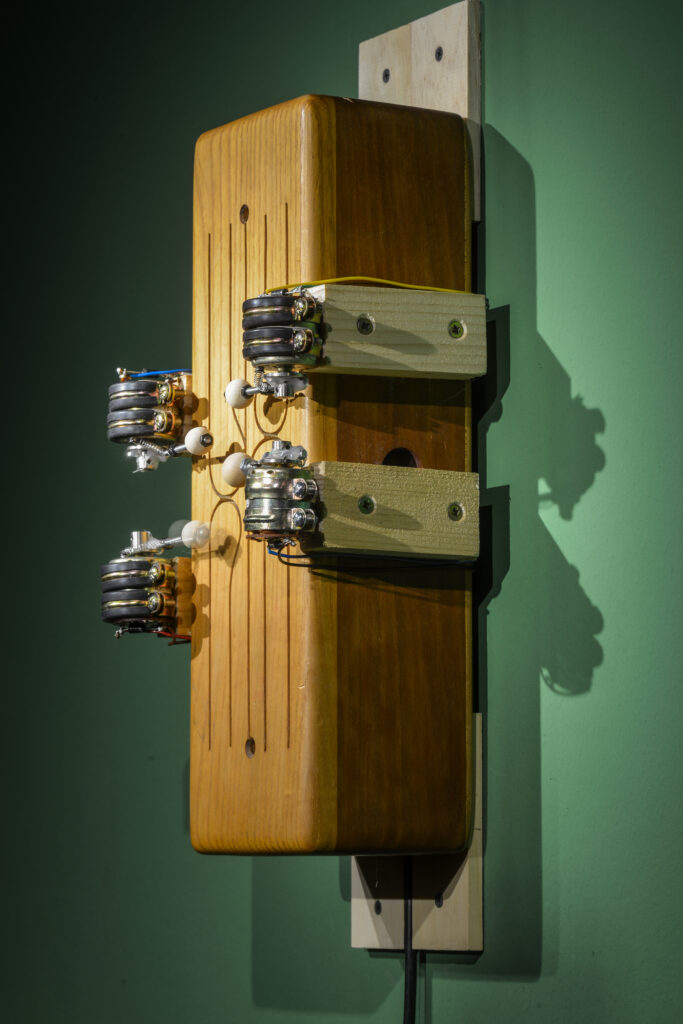
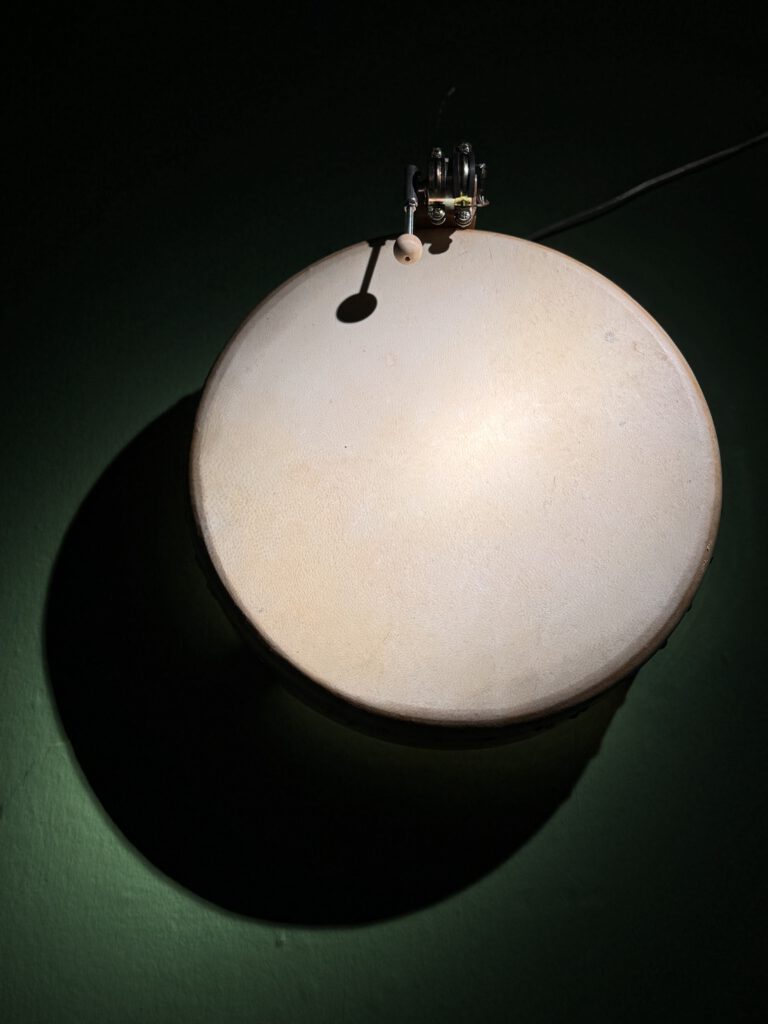
Motorized ocean drums, vibrating bamboo tubes, suspended sound objects, drums, and an old piano form a mechanically animated sonic biotope. Echoes of Japanese percussion music merge with natural and imaginary sound worlds—including frog calls I recorded in Caracas in 1993. Whoever enters the room awakens this polyphonic ensemble for a few minutes. Across more than a hundred changing scenes, the sounds answer one another, gather in density, and fade away again.
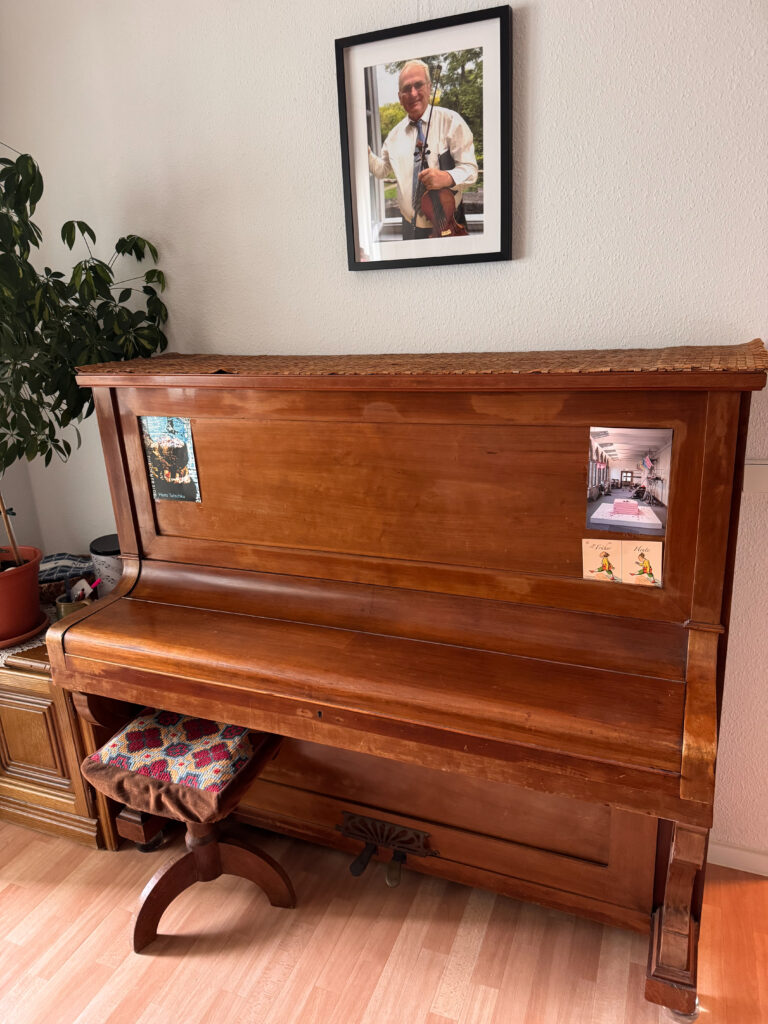
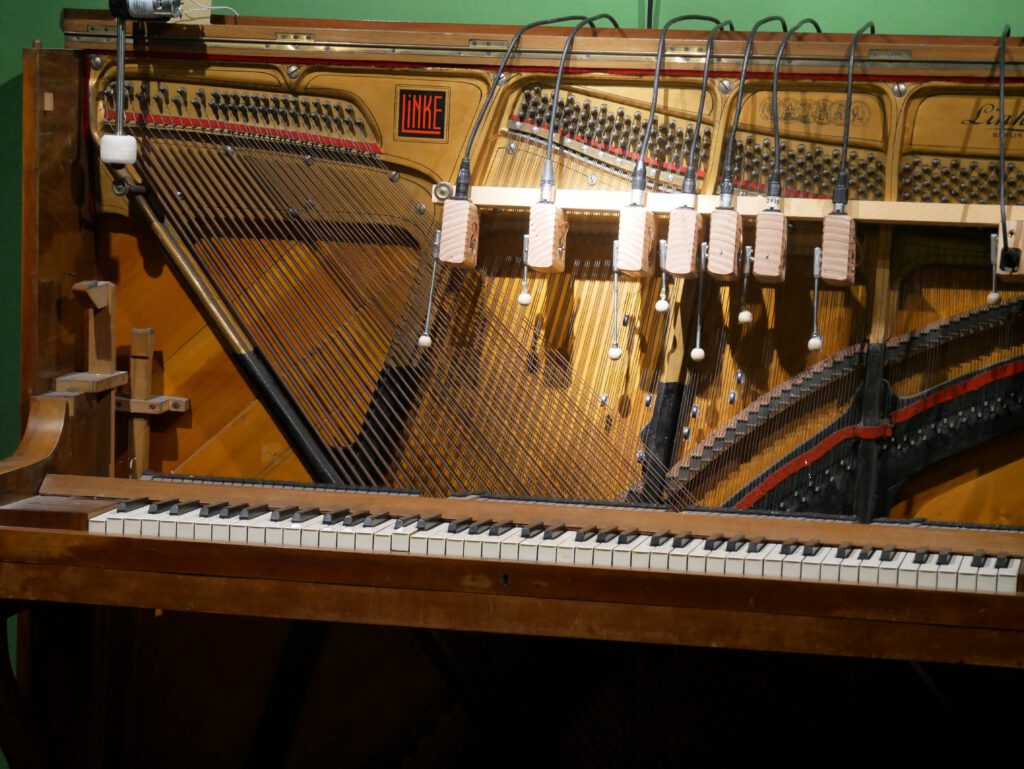
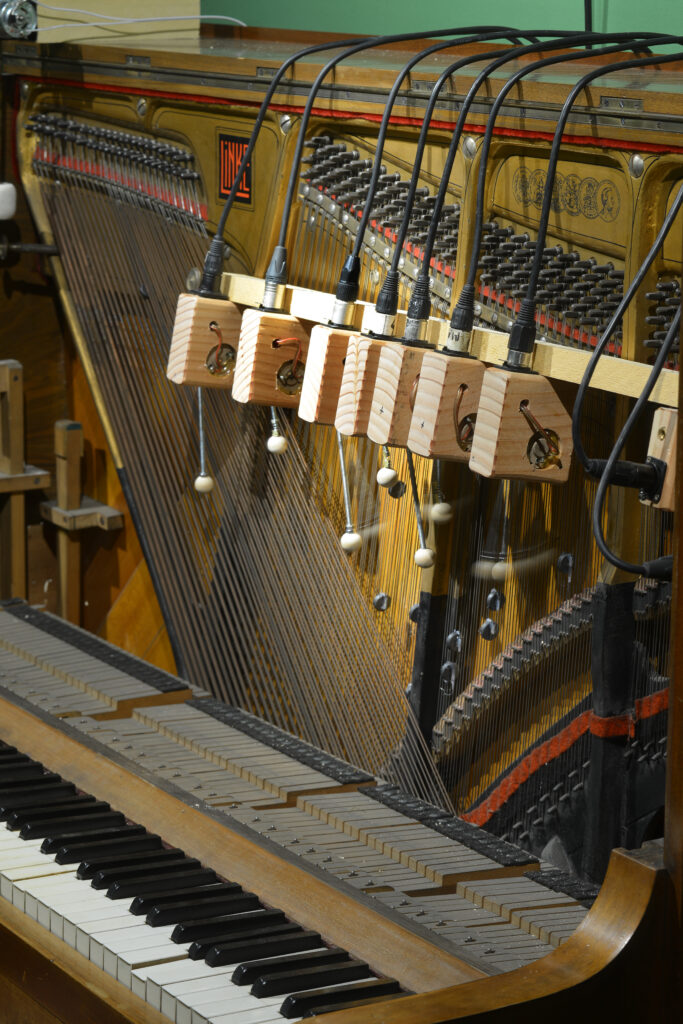
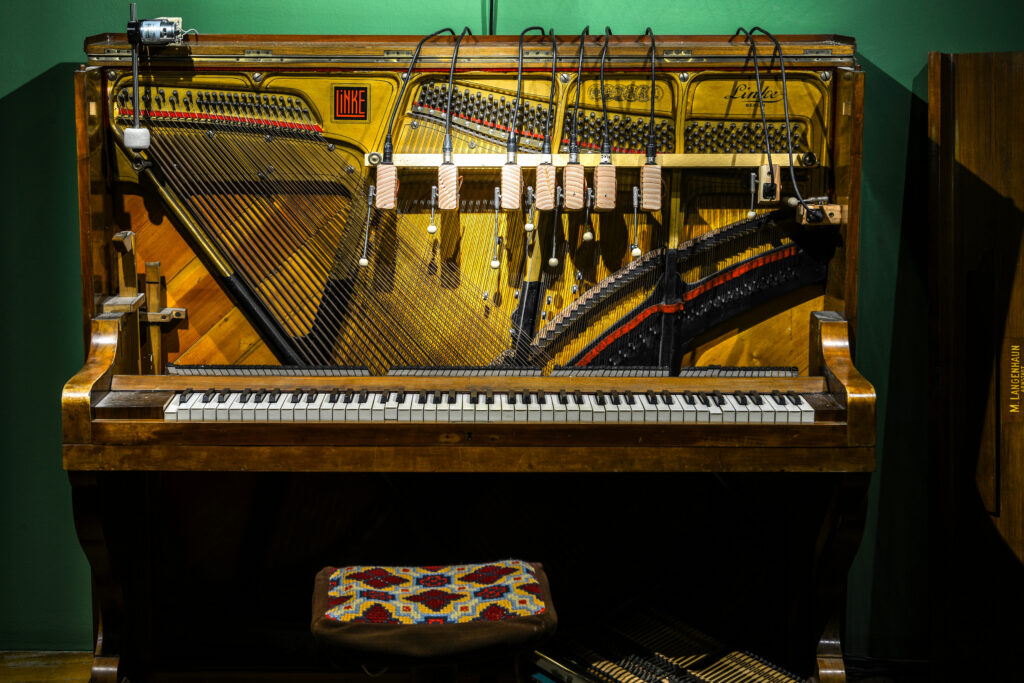
The piano belonged to my grandfather and later came into our home. I learned to play on it. It has since grown old and now acquires a new, non-pianistic voice as part of this forest of sounds and movements.
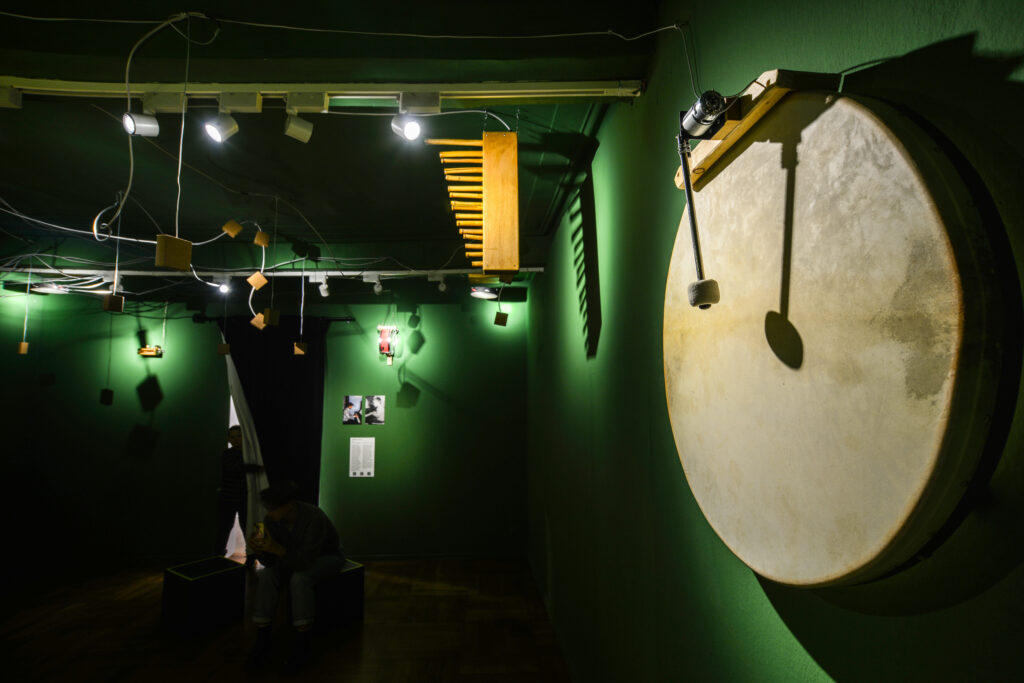
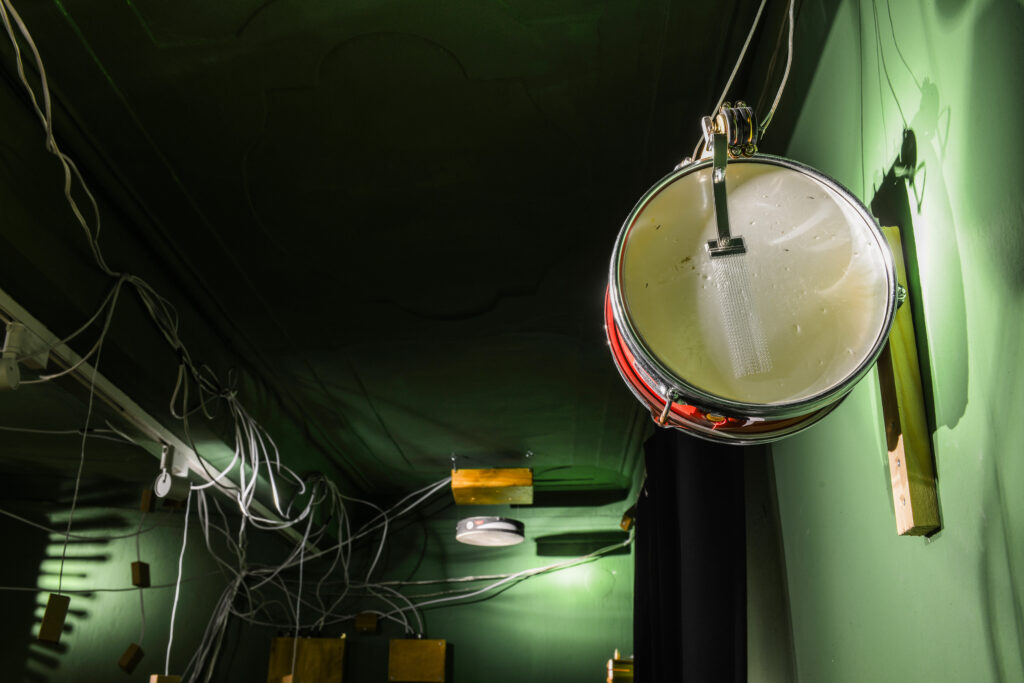
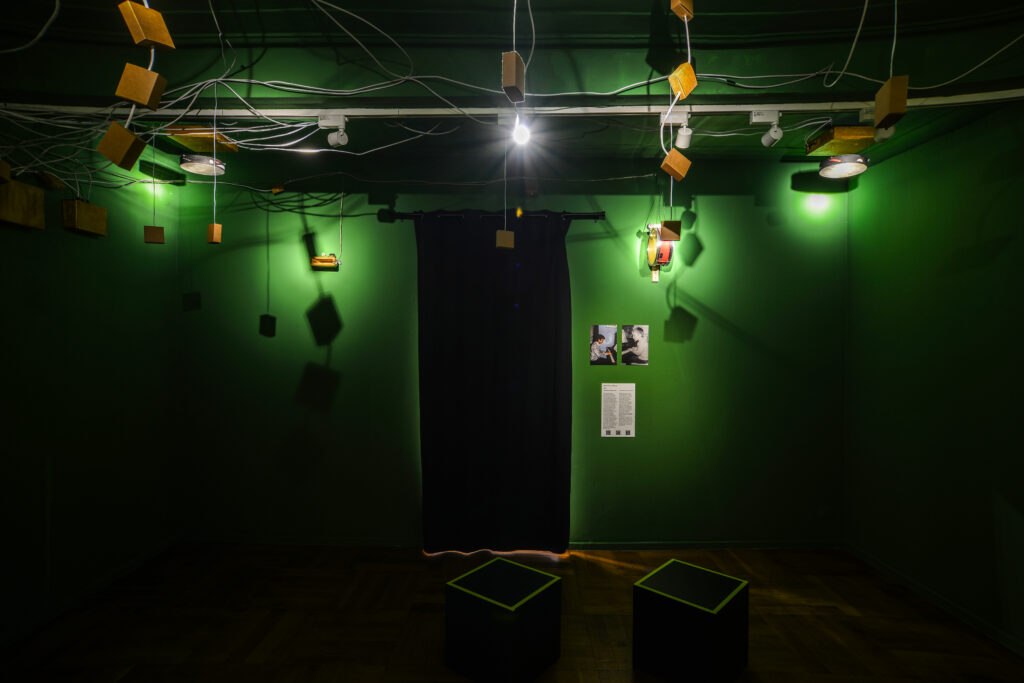
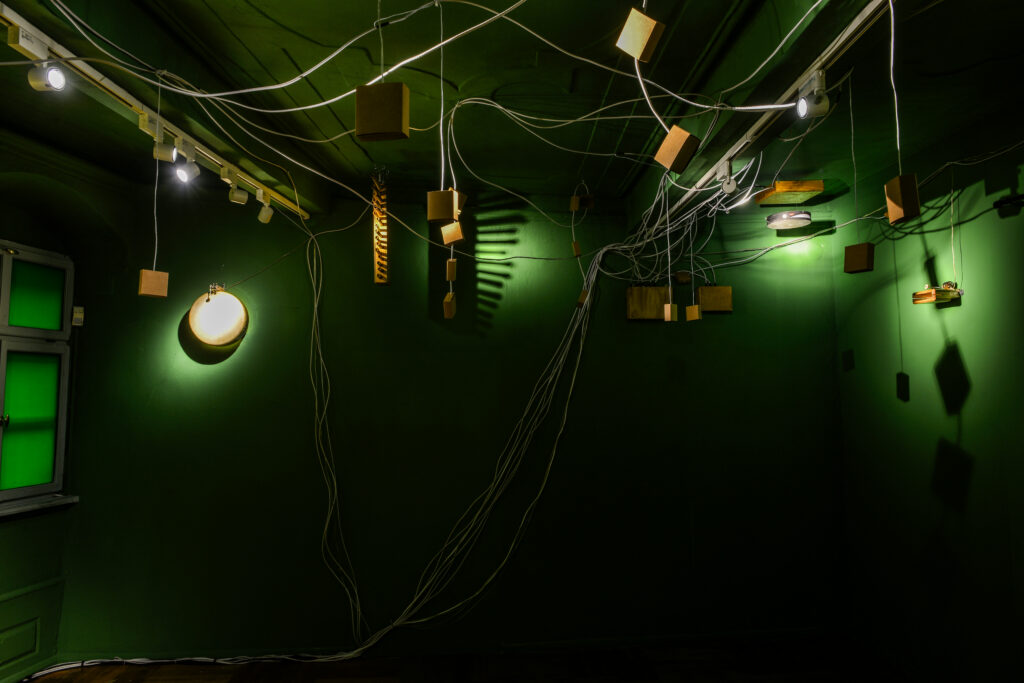
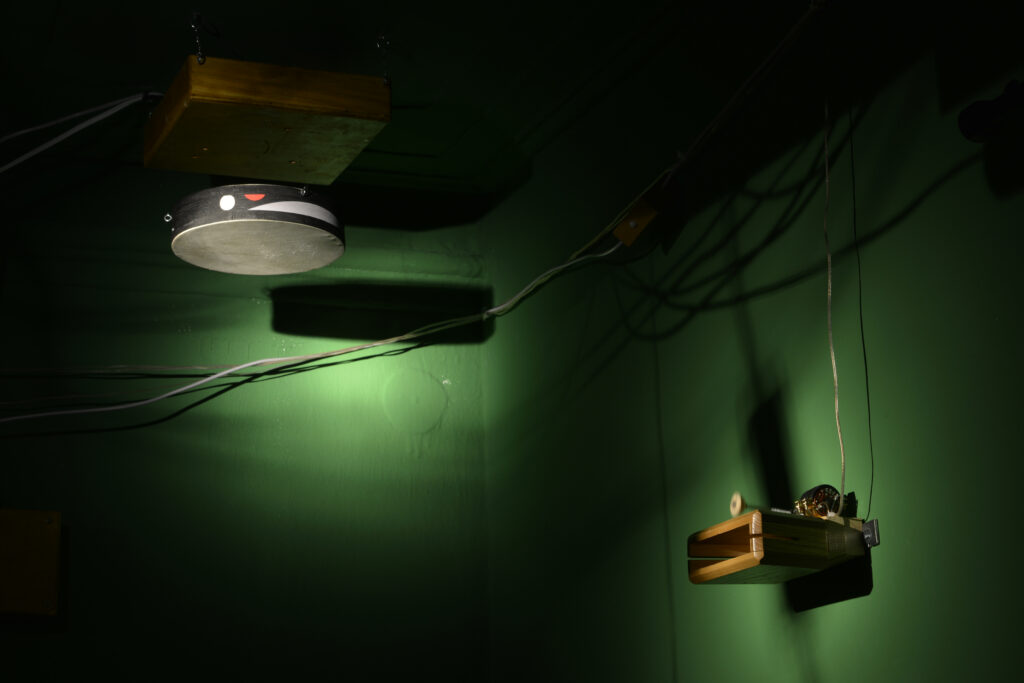
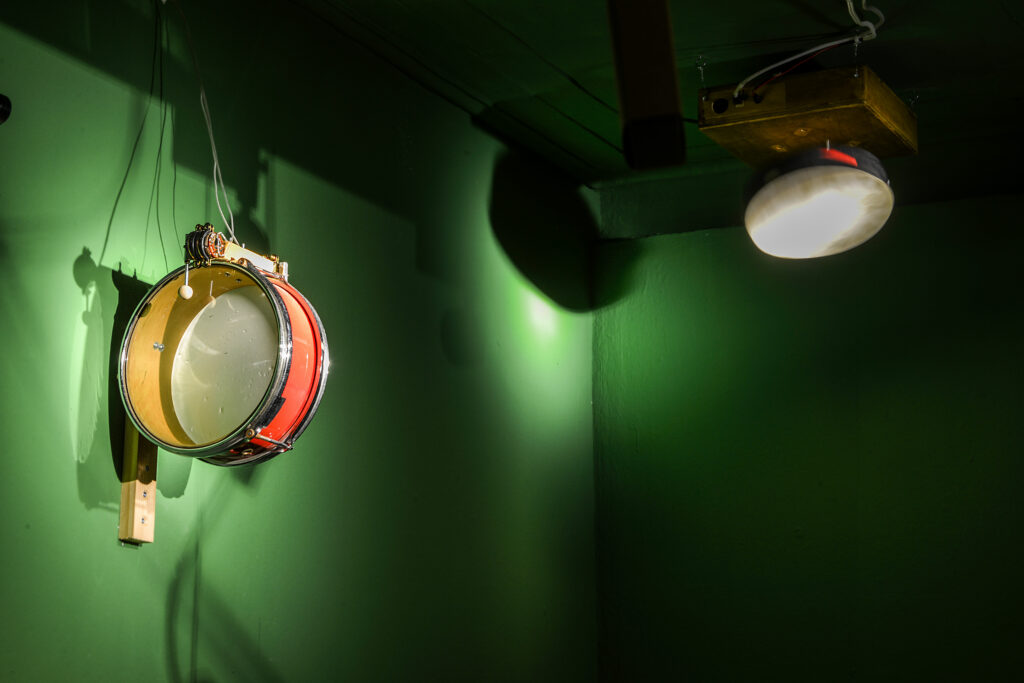
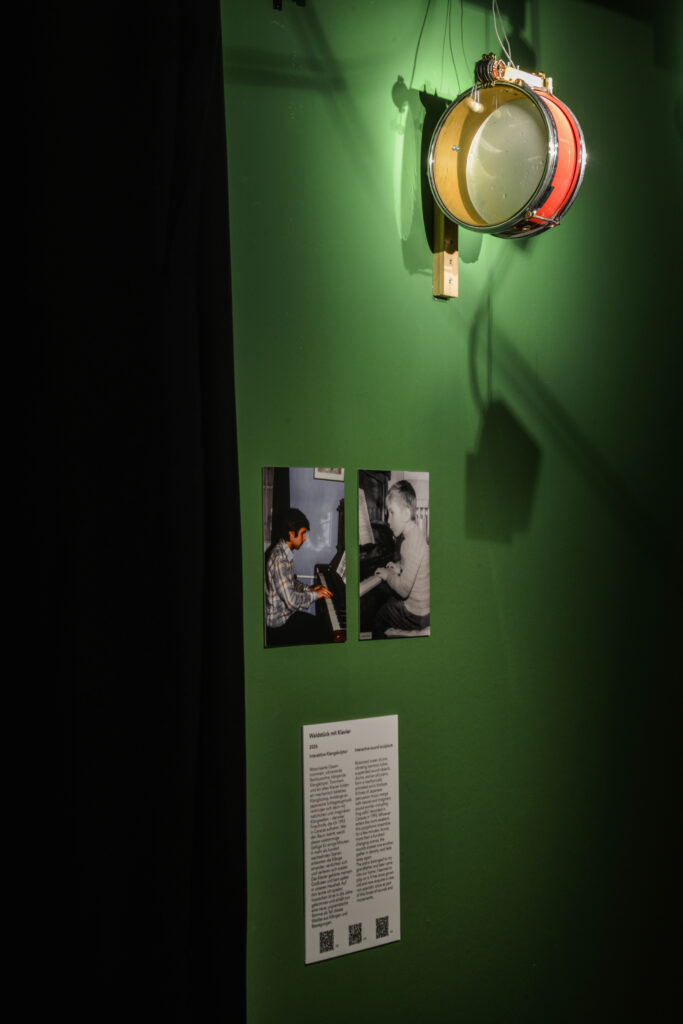
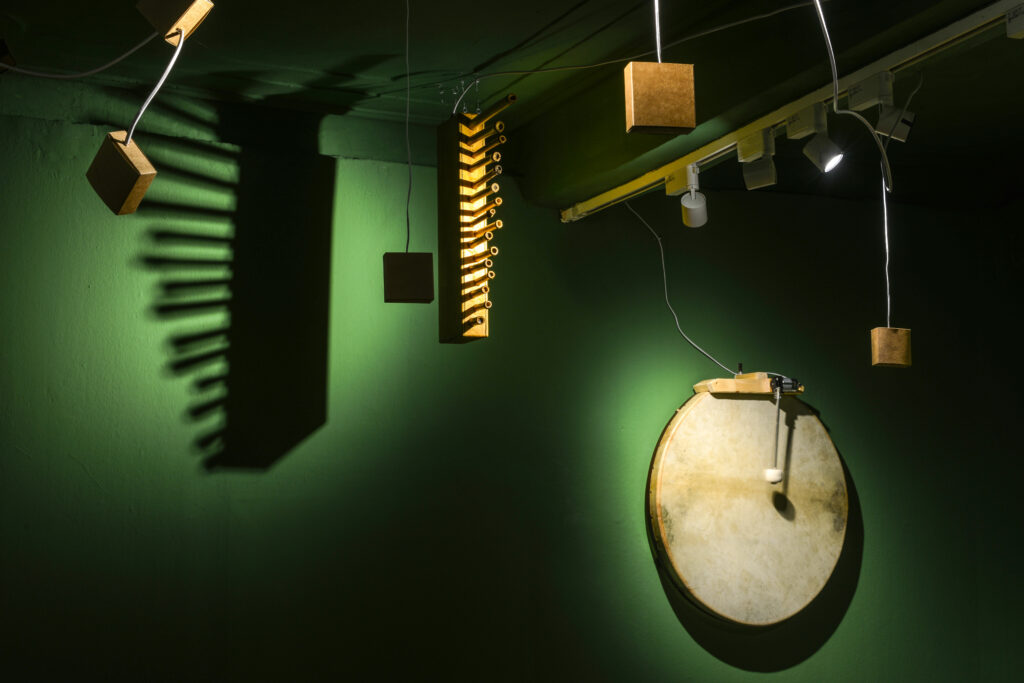
Origins and Sound Sources
My fascination with percussion instruments has many sources. I am interested in the different sounds of wood, skin, and metal, but also in the spaces where those sounds are heard. In Japan, the sound of a temple block in Nikkō stayed with me. Impressions like this find their way into my work, though I do not seek to recreate any particular musical tradition.
Equally important to me is the experience of being in the midst of sound. In Iannis Xenakis’s Persephassa, six percussionists play around the audience. In Stockhausen’s Gruppen, three orchestras sound from different directions. In nature, too, we rarely hear sound coming from only one direction: sounds emerge, answer one another, and change as we move.
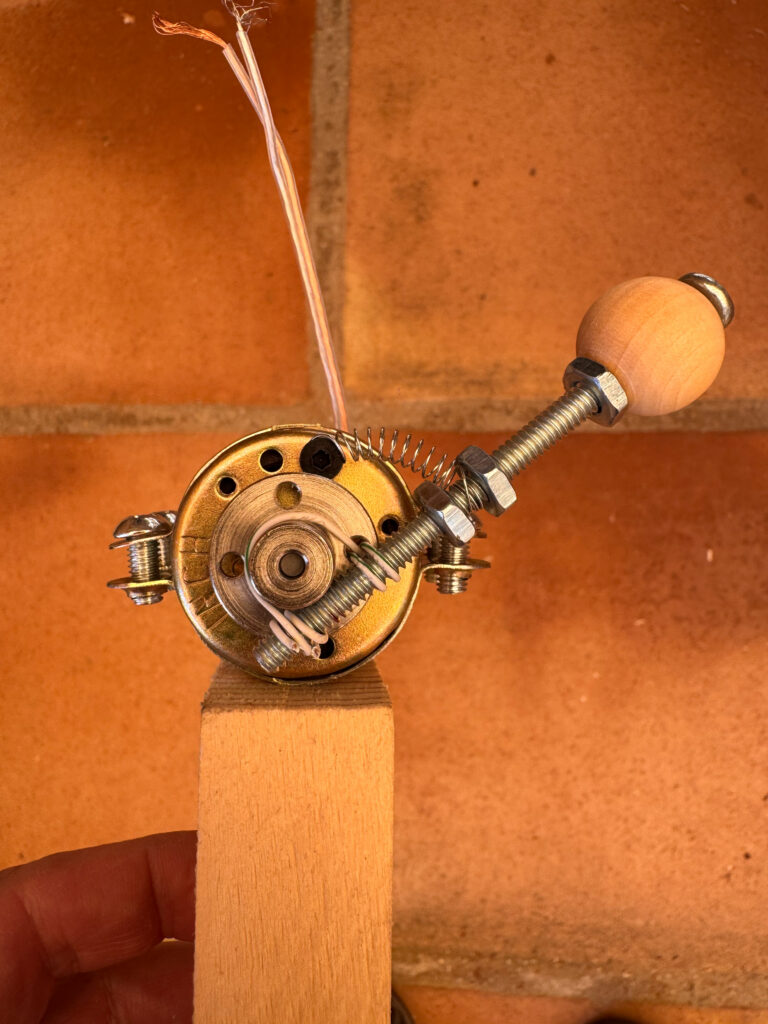
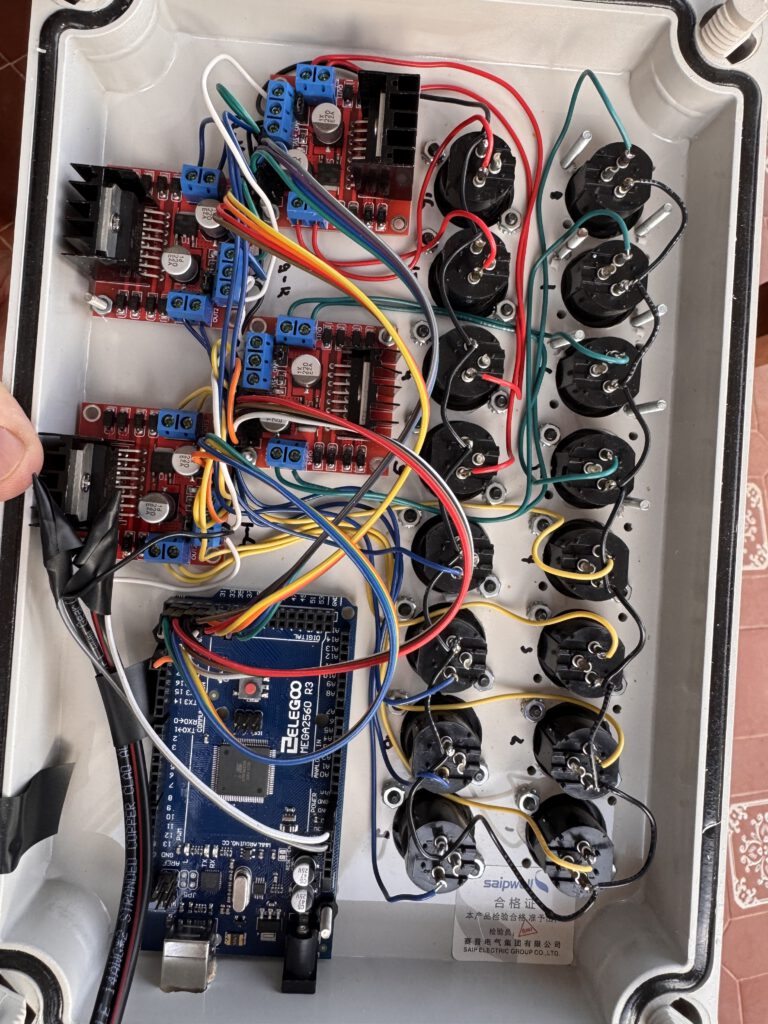
In 2018, I created percussion forest, my first larger work with mechanically played instruments. Sixteen computer-controlled mallets played acoustic percussion instruments. Their sounds met electronic sounds from 24 loudspeakers. While the consistent strokes gave the playing an almost mechanical precision, the electronic sounds changed continuously and could at times suggest the playing of human musicians.
In Waldstück mit Klavier, musical forms of percussion playing meet sound dialogues inspired by nature: crickets, woodpeckers, calls, imagined insects, and the sound of the ocean. The individual voices follow no fixed sequence. They come forward, answer one another, and then make room for other sounds. Each visit offers a different way of hearing the same place.
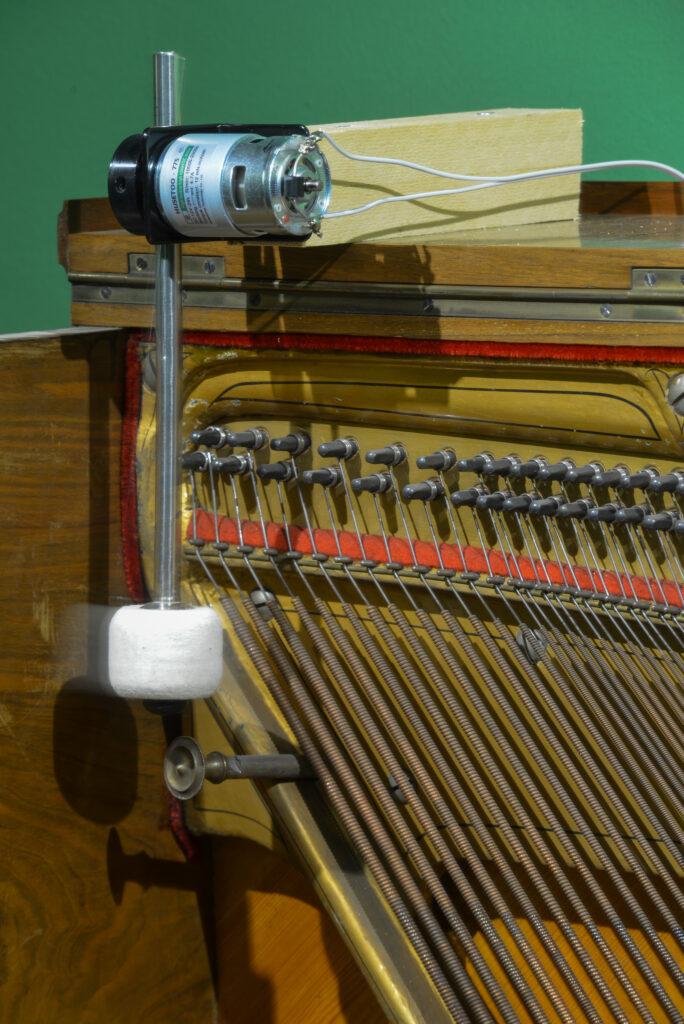
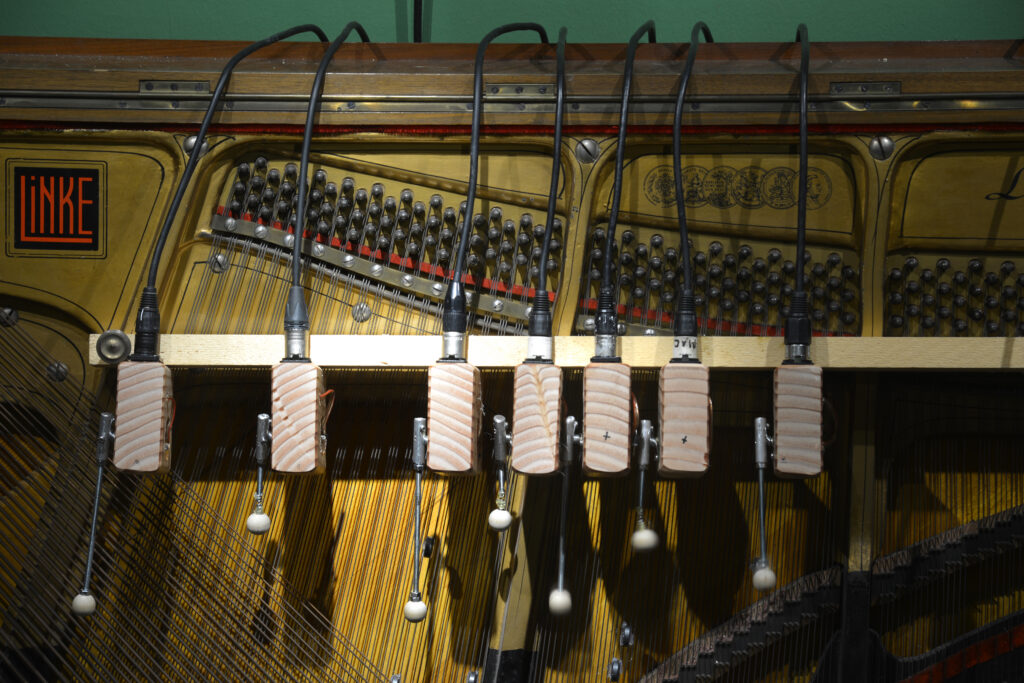
The prepared piano plays an important role in several of my compositions. I have now brought the instrument on which I learned to play into this forest of sounds. Preparations and motorized mallets draw unfamiliar sounds from it, entering into dialogue with the other “creatures.”
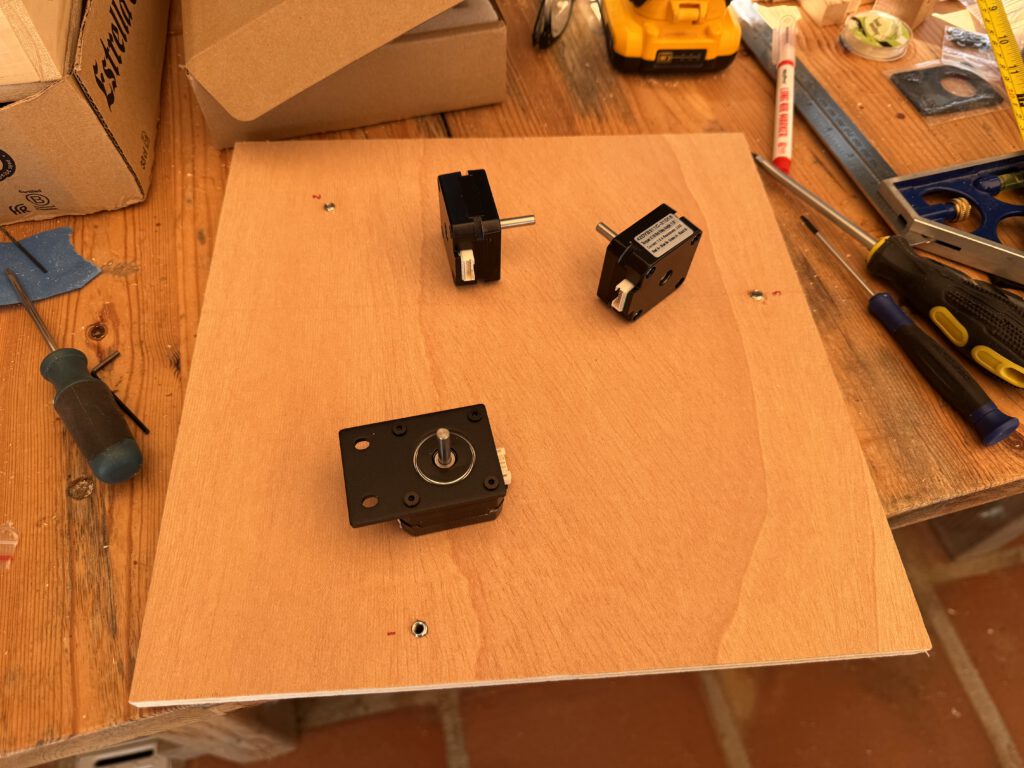
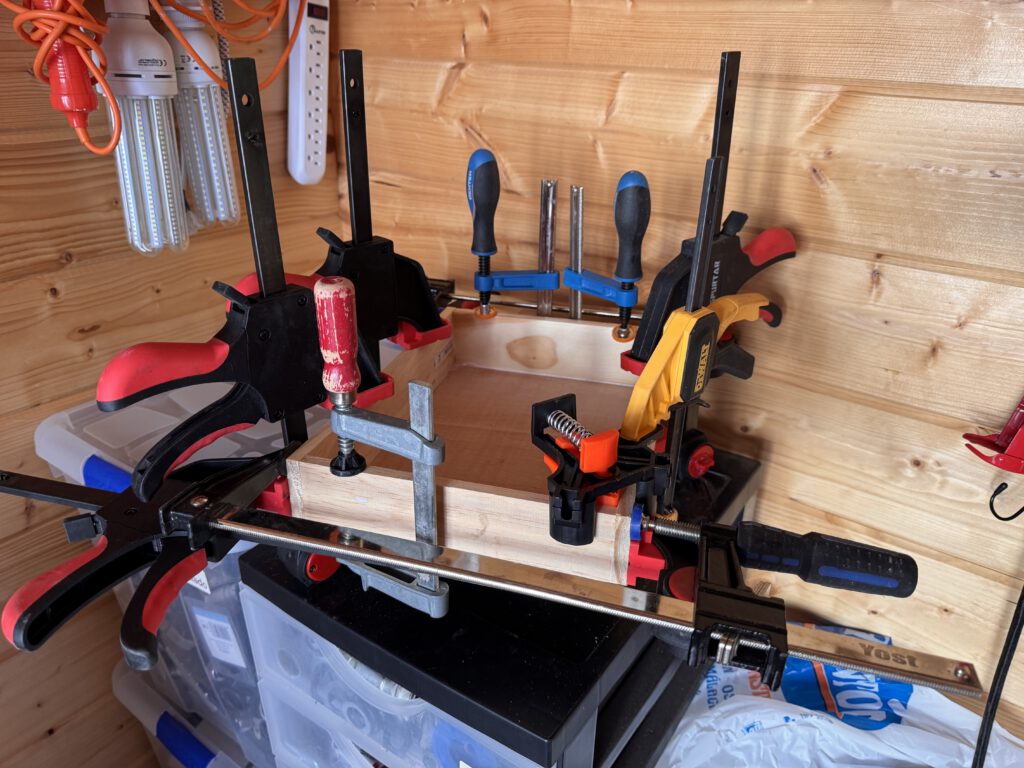
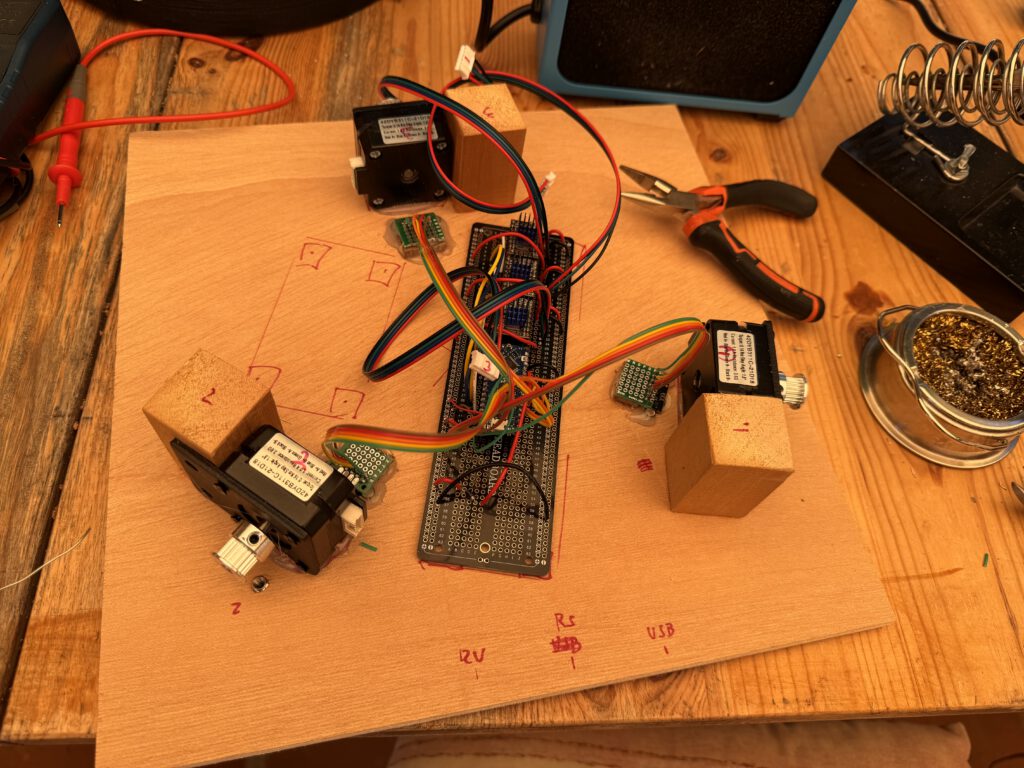
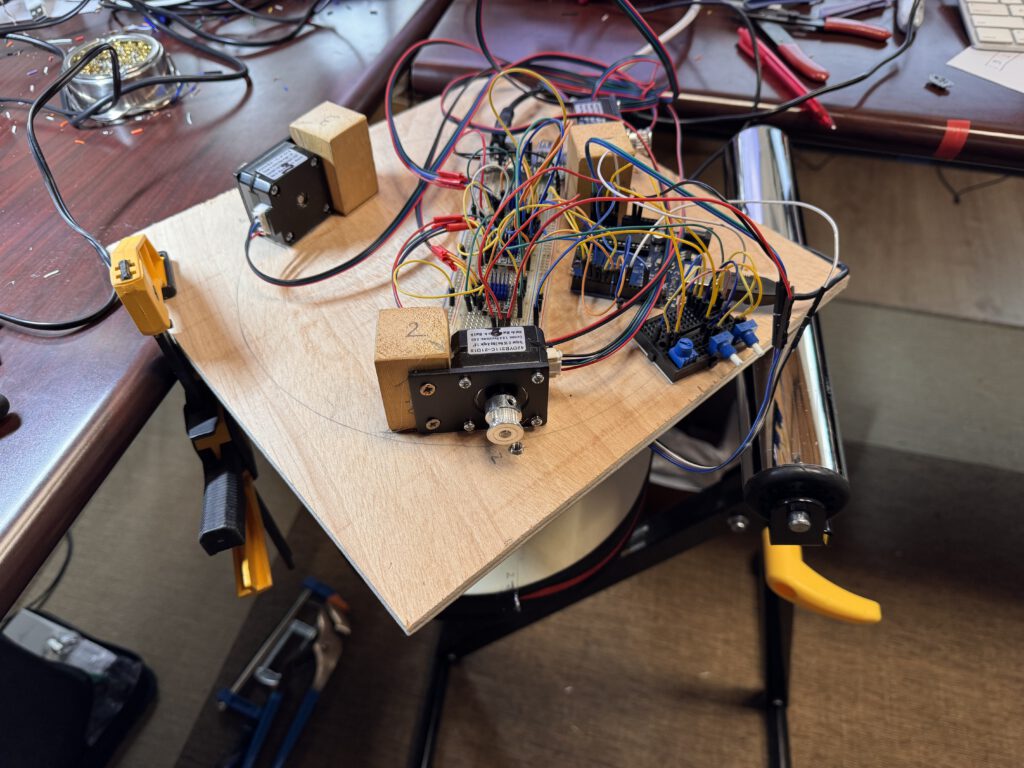
The making of